


India and Oman are reportedly reviving discussions around a long-pending subsea natural gas pipeline project aimed at strengthening regional energy security and reducing dependence on vulnerable maritime fuel routes.
According to reports, renewed interest in the project comes amid escalating tensions in West Asia, disruptions linked to the Iran conflict, and growing concerns over the security of energy shipments passing through the Strait of Hormuz. The pipeline is expected to directly connect Oman’s gas infrastructure with India through an undersea network.
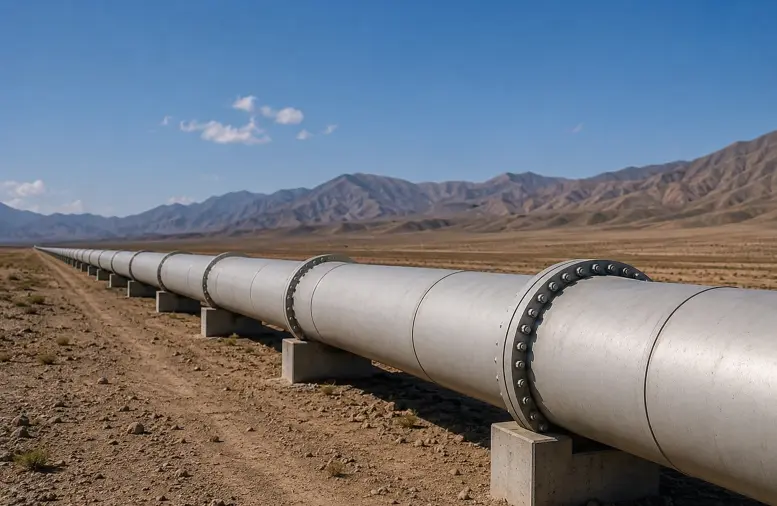
Industry observers say the project could significantly improve India’s long-term energy security by ensuring more stable gas supplies while reducing exposure to geopolitical risks affecting oil and LNG shipping routes. Analysts also believe the pipeline could support India’s transition toward cleaner energy sources as natural gas demand rises across industries and urban infrastructure.
The India-Oman pipeline proposal has been discussed for several years but faced delays due to high construction costs, deep-sea engineering challenges, and regional geopolitical complexities. However, current global energy uncertainties are reportedly pushing policymakers to revisit strategic infrastructure projects capable of ensuring uninterrupted energy access.
Experts note that India has been actively diversifying its energy partnerships and supply chains through investments in LNG terminals, strategic petroleum reserves, renewable energy, and international energy corridors. The proposed Oman pipeline is increasingly being viewed as a potential long-term strategic asset for the region’s energy architecture.
