


Colombia’s so-called “cocaine hippos,” descendants of animals illegally imported by Pablo Escobar in the 1980s, have become a major environmental concern.
After Escobar’s death in 1993, the hippos were left behind and gradually spread across the Magdalena River basin. With no natural predators and favorable conditions, their population has grown rapidly, making Colombia home to the largest wild hippo population outside Africa.
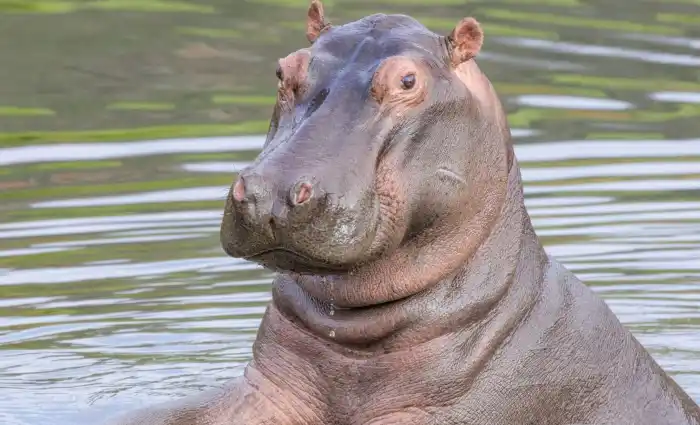
Authorities have classified them as an invasive species because they disrupt local ecosystems. The hippos compete with native animals for resources, alter aquatic habitats, and impact biodiversity by changing water chemistry and vegetation patterns.
Their presence also poses risks to humans, with reports of aggressive encounters and threats to fishing communities living near rivers.
Efforts to control the population, including sterilisation and relocation, have proved costly and limited in success, prompting the Colombian government to consider culling as a last resort.
The situation highlights a unique ecological challenge, how a small group of introduced animals evolved into a large, disruptive population, forcing difficult decisions between conservation, safety, and animal welfare.
