


During his visit to Australia, Prime Minister Narendra Modi struck a chord with the Indian diaspora in Melbourne by highlighting the global footprint of homegrown products. Using a heartwarming analogy, he said, “The milk at home might be Australian, but the tea brewed is Indian.”
As the second-largest producer and fourth-largest exporter of tea globally, India’s diverse climate zones nurture some of the finest tea leaves in the world. According to the Tea Board of India, here are the 8 government-approved Indian tea varieties that every tea connoisseur should experience:
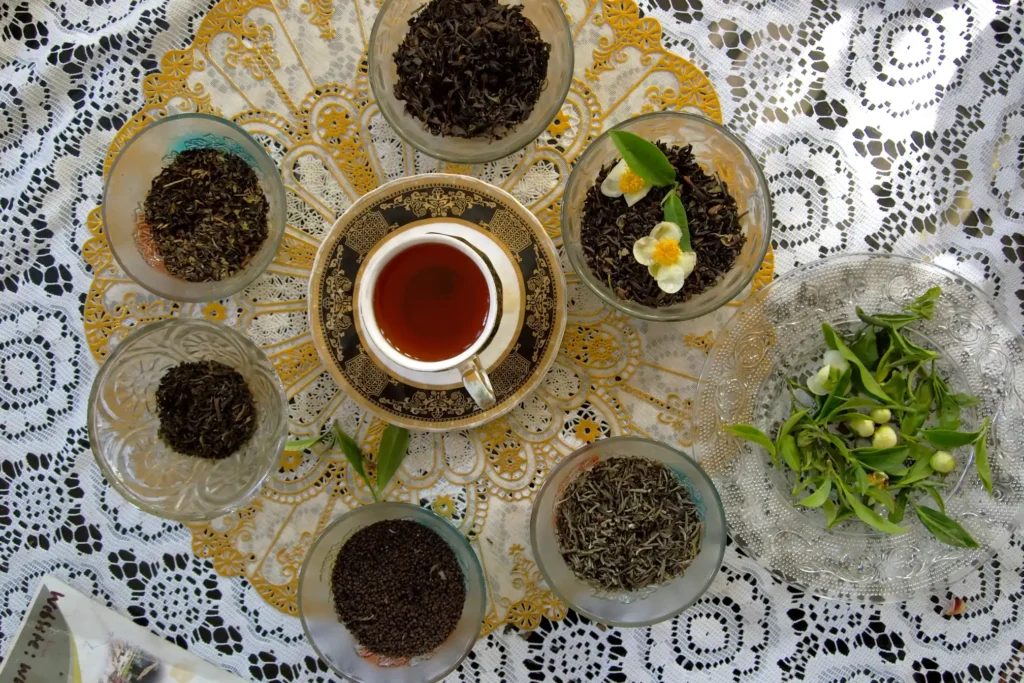
1. Darjeeling Tea
Grown at high altitudes ranging from 600 to 2,000 meters above sea level, Darjeeling tea is world-renowned for its incomparable quality. Meticulously processed and hand-plucked in pristine climate conditions, it features a light, exquisite flavor profile.
2. Assam Tea
Hailing from the lowlands of Assam, this globally valued tea is famous for its bright liquors and deep-amber color. It delivers a rich, full-bodied, brisk, and uniquely malty character, making it the perfect morning blend. Assam Orthodox Tea holds a registered Geographical Indication (GI) tag.
3. Nilgiri Tea
Cultivated across the stunning hills of Tamil Nadu, Karnataka, and Kerala, Nilgiri tea is highly fragrant and exquisitely aromatic. It boasts high tones of delicate floral notes, a golden yellow liquor, and a subtle creamy, fruity, or minty undertone influenced by regional eucalyptus trees.
4. Kangra Tea
Grown under the shadow of the snow-clad mountains of Himachal Pradesh, Kangra tea features a distinctively unique aroma with an unmistakable tinge of fruitiness. It offers a slightly milder flavor than Darjeeling tea but brings more body and liquor to the cup.
5. Dooars-Terai Tea
Cultivated in the West Bengal sub-Himalayan region near Bhutan and Assam, this variety yields a smooth, bright, and full-bodied liquor. It offers a beautifully balanced profile that is slightly lighter than traditional Assam tea.
6. Masala Chai
A staple in Indian households and cafes worldwide, true Masala Chai is defined by its versatility. Driven by a base of strong Indian Black Tea, it is elevated into a complex, earthy, and spicy blend using fresh additions like cardamom, ginger, and cinnamon.
7. Sikkim Tea
Primarily produced at the historic Temi Tea Estate, Sikkim tea was certified as 100% Organic in 2008. From its light, floral spring first flush to its well-rounded, warm-spiced autumn harvest, it offers a beautifully smooth and clean brew.
8. Tripura Tea
With a commercial plantation history dating back to 1916, Tripura has a rich legacy of tea cultivation. Today, the state primarily yields high-quality, robust CTC teas alongside small batches of specialty green tea.
