


Saudi Arabia has reportedly proposed a $1 billion financial package to Yemen’s Houthi rebels in an effort to secure a ceasefire and prevent further attacks on the kingdom’s infrastructure. According to Israeli newspaper Israel Hayom, the proposed arrangement involves Iran acting as a mediator, with Pakistan and Turkey also participating in diplomatic discussions.
The reported initiative comes amid rising tensions in the Middle East, where missile and drone attacks on Saudi airports and oil facilities have caused economic disruption. However, the alleged financial offer has not been officially confirmed, and there is no independent verification that the money has been transferred.
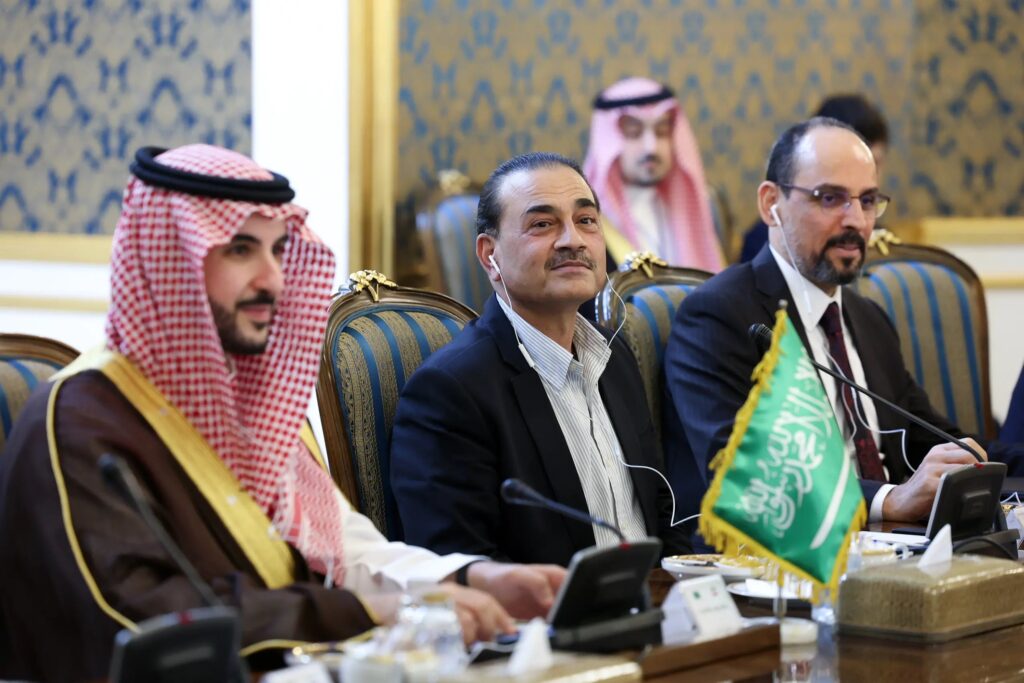
Saudi Defence Minister’s Tehran Visit Sparks Reports of Secret Deal
According to Israel Hayom, citing diplomatic sources in the Gulf, Saudi Defence Minister Prince Khalid bin Salman made an unexpected visit to Tehran to discuss possible arrangements for ending Houthi attacks on Saudi Arabia.
The report claimed that the minister transported $1 billion aboard the Hercules military aircraft used for his journey to Iran. However, Saudi officials have not confirmed the alleged transfer, and the claim remains unverified.
Iran reportedly offered to facilitate negotiations between Riyadh and the Houthis, using its relationship with the Yemeni group to explore a potential ceasefire agreement.
The Saudi Foreign Ministry acknowledged the diplomatic visit and described it as part of broader efforts to reduce regional tensions, encourage dialogue and support mediation initiatives led by Qatar and Pakistan.
Pakistan and Turkey Participate in Regional Peace Talks
The reported negotiations involved senior representatives from Saudi Arabia, Pakistan, Turkey and Iran.
Pakistan’s Army Chief, Field Marshal Asim Munir, and Turkish intelligence chief Ibrahim Kalin reportedly participated in the Tehran discussions alongside Saudi officials.
Iran was represented by President Masoud Pezeshkian, senior security official Mohsen Rezaei and officials from the Islamic Revolutionary Guard Corps, according to the reports.
The meeting was reportedly connected to the Mecca Joint Defence Alliance, a regional security arrangement involving Saudi Arabia, Pakistan and Turkey.
Although the alliance provides for collective military assistance in the event of an attack, reports suggest that Pakistan and Turkey have largely limited their involvement to military advisory support rather than deploying combat forces.
According to Israel Hayom, the Tehran meeting marked the first official engagement between representatives of the alliance and Iranian leaders.
Houthi Attacks Put Pressure on Saudi Arabia’s Economy
The reported peace initiative follows a series of attacks targeting Saudi Arabia’s important economic and transport infrastructure.
Houthi missile and drone strikes have reportedly affected airports, oil installations and other strategic facilities, raising concerns about the kingdom’s security and economic stability.
According to reports carried by NDTV and other news outlets, attacks forced Riyadh airport to suspend operations for several days and contributed to the postponement of a major investment conference.
At the same time, attacks on oil tankers in the Strait of Hormuz, attributed in the reports to Iran, have disrupted energy shipments from the Gulf.
The combined impact of these developments has increased pressure on regional governments to prevent further escalation and protect international trade routes.
For Saudi Arabia, securing a ceasefire could help reduce security risks, protect energy infrastructure and restore confidence in its economic activities.
Why Saudi Arabia’s Proposed Financial Package Is Worth $1 Billion
The reported $1 billion proposal is linked to earlier understandings between Saudi Arabia and the Houthis.
According to a Saudi official cited by Israel Hayom, disagreements over commitments made approximately three years ago have contributed to the continuing conflict.
Under those arrangements, Saudi Arabia was expected to provide financial assistance to support reconstruction and economic recovery in Houthi-controlled areas of Yemen.
The funding was intended to rebuild civilian infrastructure damaged during the conflict and cover salaries for public-sector employees.
In exchange, the Houthis were expected to maintain a ceasefire and stop launching attacks against Saudi territory.
However, the group has reportedly accused Saudi Arabia of failing to fulfil its earlier commitments and has used those allegations to justify renewed military operations.
The proposed financial package is therefore being discussed as a possible way to address unresolved disputes and establish a more sustainable ceasefire.
Saudi Arabia Maintains Conditions for Any Settlement
Despite reports of a financial proposal, Saudi Arabia’s position on negotiations remains cautious.
According to Israel Hayom, Riyadh has opposed making payments under military pressure and has insisted that the Houthis return territories captured from Yemen’s internationally recognised government.
The kingdom has reportedly maintained that financial assistance should be linked to meaningful progress towards a political settlement rather than provided in response to continued attacks.
This difference between the reported proposal and Saudi Arabia’s stated conditions has raised questions about whether an agreement can be reached.
No official announcement has confirmed that Saudi Arabia has accepted a new ceasefire arrangement or authorised the reported payment.
Iran Seeks a Larger Role in Middle East Diplomacy
Iran’s reported involvement in the negotiations reflects its efforts to strengthen its position in regional diplomacy.
Tehran has maintained close relations with the Houthis and is widely regarded as an important supporter of the group.
According to Israel Hayom, Iran has sought to present itself as a mediator capable of facilitating discussions between Saudi Arabia and the Yemeni rebels.
The initiative also comes as Tehran promotes a regional security framework involving Middle Eastern countries while opposing military intervention by the United States and Israel.
By participating in negotiations, Iran could strengthen its diplomatic influence while attempting to reduce tensions affecting regional energy supplies and security.
However, its reported support for the Houthis remains a major complication in efforts to establish lasting peace.
Pakistan’s Role Highlights Growing Diplomatic Involvement
Pakistan’s participation has added another dimension to the reported negotiations.
Field Marshal Asim Munir’s involvement reflects Islamabad’s efforts to engage with Saudi Arabia and Iran during a period of heightened regional tensions.
According to Israeli media reports, the diplomatic initiative followed discussions during the Pakistani army chief’s visit to Tehran the previous week.
Pakistan’s position within the Mecca defence arrangement gives it a role in Saudi security cooperation, while its diplomatic engagement with Iran could help facilitate communication between the parties.
Turkey’s participation through intelligence chief Ibrahim Kalin also indicates broader regional interest in preventing further military escalation.
Will the Reported Deal Lead to a Ceasefire?
The proposed $1 billion financial arrangement could become an important element of efforts to reduce hostilities between Saudi Arabia and the Houthis.
A successful agreement could help protect Saudi infrastructure, reduce disruptions to oil exports and support reconstruction in conflict-affected areas of Yemen.
However, significant uncertainties remain over the financial terms, territorial demands and implementation of any ceasefire.
The reports have not established that Saudi Arabia transferred the alleged funds or that the Houthis accepted a final agreement.
For now, the discussions indicate renewed diplomatic efforts involving Saudi Arabia, Iran, Pakistan and Turkey. Whether these negotiations produce a lasting settlement will depend on the willingness of the parties to resolve their differences and fulfil any commitments reached.
