


The Ministry of Road Transport and Highways (MoRTH) has notified amendments to the Central Motor Vehicles Rules, 1989, to facilitate the adoption of flex-fuel vehicles capable of running on high-ethanol fuel blends such as E85 and E100.
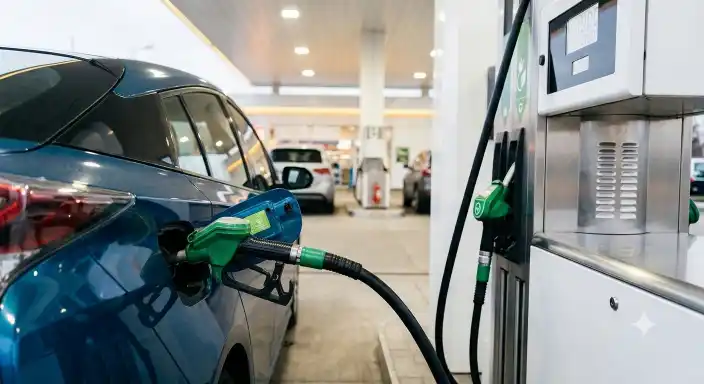
The amendments expressly include E100 alongside E85 in the emission certification provisions. Vehicles certified to use these fuels must comply with the applicable emission and safety standards for their respective categories.
The revised rules were notified on October 26, 2026, and will take effect from the date of publication in the Official Gazette. The changes also update certain biodiesel-related provisions and technical requirements.
What Are E85 and E100 Fuels?
E85 is a blend of petrol and ethanol containing up to 85% ethanol by volume. E100 refers to fuel consisting predominantly of ethanol.
Flex-fuel vehicles are specifically engineered to operate on different petrol-ethanol blends using a single fuel tank. Their fuel system components are designed to handle the approved blends, while engine management systems adjust operation according to the fuel composition.
The technology is already used in countries such as Brazil and the United States. Under the amended Indian rules, vehicles must be designed and certified by manufacturers for the relevant fuel type before using E85 or E100.
Existing Petrol Vehicles Do Not Need Modifications
MoRTH has clarified that the amendments do not require owners of existing vehicles to switch to E85 or E100 or modify their vehicles.
Compatibility with E10 or E20 petrol does not automatically mean a vehicle can safely use higher-ethanol blends. E85 and E100 are intended only for vehicles specifically designed and certified for these fuels.
Motorists should check the fuel compatibility sticker on their vehicle and consult the manufacturer’s owner’s manual before choosing a fuel at a filling station. Using a fuel that is not approved for a vehicle could cause compatibility and performance issues.
Ethanol Could Help Reduce Crude Oil Import Dependence
The government expects wider use of domestically produced ethanol to help reduce India’s dependence on imported crude oil. Ethanol use in appropriately designed vehicles may also lower certain exhaust pollutants and lifecycle greenhouse gas emissions, depending on the feedstock and production process.
The amendments provide a regulatory framework for certifying vehicles capable of using higher-ethanol blends. However, the rule changes alone do not mean E85 or E100 will immediately become available at fuel stations nationwide.
The move could support India’s broader ethanol-blending and alternative-fuel efforts by enabling manufacturers to develop and certify vehicles for higher-ethanol fuels.
