


Nestlé has announced plans to eliminate artificial food colourings from its entire global product portfolio by the end of 2026, marking a major shift in the food industry’s move toward cleaner and more natural ingredients, according to a senior company executive speaking to Reuters.
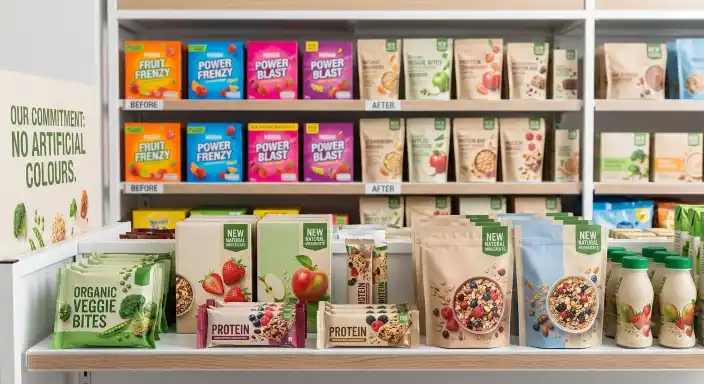
The decision makes Nestlé the first major global food company to set a full worldwide deadline for removing synthetic colour additives, expanding a transition it has already completed in the United States.
The move comes amid growing pressure on food manufacturers to offer healthier products, driven by rising consumer awareness of ingredient safety and the increasing popularity of GLP-1 weight-loss drugs, which are reshaping eating habits and demand for processed foods.
Global Shift Away From Artificial Ingredients
Nestlé’s technology chief Stefan Palzer said the company aims to have its entire global portfolio free of artificial colours by the end of 2026. He noted that the company had spent years preparing for this transition, investing heavily in research and development to identify natural alternatives that can replace synthetic dyes.
He explained that the process involved testing multiple natural solutions during production and ensuring they maintain product quality and shelf life.
Food manufacturers and retailers worldwide have been gradually removing synthetic additives such as FD&C dyes and certain sweeteners like corn syrup, as demand grows for simpler ingredient lists.
Consumer Pressure Driving Reformulation
Nestlé said the shift reflects changing consumer preferences, with more people seeking products made with fewer artificial ingredients. The company has increasingly focused on offering options tailored to health-conscious consumers and those concerned about ultra-processed foods.
Palzer said the transition was not simple and required long-term effort, but emphasized that it was driven by consumer expectations for cleaner labels and more natural recipes.
Broader Industry and Regulatory Context
The move also comes as regulators and health officials in some countries, including the United States, have raised concerns about certain food additives. The US Food and Drug Administration and Health Secretary Robert F Kennedy Jr have previously indicated intentions to phase out some artificial colourings, citing potential links to health conditions such as ADHD, obesity, and diabetes. However, scientific consensus on these risks remains mixed, with researchers calling for further study.
Nestlé’s decision places it at the forefront of a wider industry trend as global food companies face increasing pressure from both consumers and policymakers to reformulate packaged foods and reduce reliance on synthetic ingredients.
