


Tamil Nadu’s direct debt has nearly doubled over the past five years, rising from ₹5.13 lakh crore in 2021 to around ₹10 lakh crore by March 2026, according to a white paper released by the state government.
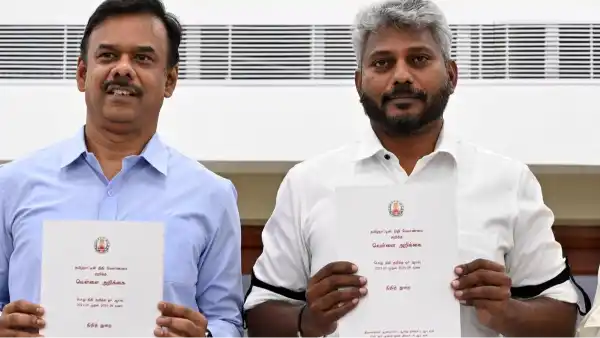
The report states that the state added approximately ₹4.87 lakh crore in new debt during the period. When guarantees, off-budget borrowings, and liabilities of public sector undertakings are included, Tamil Nadu’s total financial exposure is estimated at more than ₹13 lakh crore.
The white paper also highlighted a record revenue deficit of ₹78,324 crore and a sharp rise in interest payments, which have increased to over ₹67,000 crore annually. Interest costs now account for a significant share of the state’s revenue receipts, putting additional pressure on public finances.
According to the report, Tamil Nadu’s debt-to-GSDP ratio stands at 28.3%, while committed expenditure on salaries, pensions, and interest payments continues to consume a large portion of government revenues.
The government said the white paper was released to provide transparency on the state’s fiscal position and to outline key challenges related to debt, revenue generation, and long-term financial sustainability.
The findings have triggered fresh debate over fiscal management in one of India’s largest state economies, with policymakers and economists closely watching how the government addresses the growing debt burden in the years ahead.
