


The National Dairy Development Board (NDDB) plans to support the setting up of around 100 Compressed Biomethane Gas (CBG) plants across India to promote cleaner fuel use in the transport sector and strengthen sustainable energy alternatives.
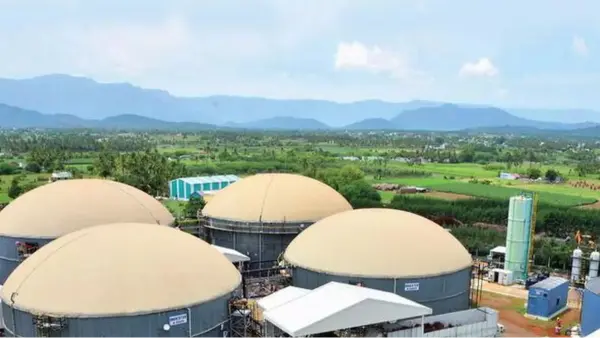
The initiative gains importance amid rising fuel prices and supply disruptions linked to geopolitical tensions in the Gulf region. CBG is seen as a cleaner substitute for fossil fuels like CNG, while also creating additional income opportunities for farmers through the sale of cattle dung and the production of organic fertilisers from plant by-products.
NDDB Chairman Meenesh Shah said the organisation aims to scale up dung-based biogas infrastructure so that more agricultural waste can be converted into usable fuel and organic manure. The idea is to build a circular economy where waste is monetised and reinvested into rural livelihoods.
The plan builds on an ongoing collaboration launched in 2023 between NDDB, Suzuki R&D Centre India, and Banas Dairy in Gujarat’s Banaskantha district. Under this model, dung is collected through dairy networks, processed into biogas, purified into CBG, and then supplied for vehicle use. The remaining slurry is used to produce organic fertiliser, reducing dependence on chemical inputs.
The pilot projects in Gujarat demonstrated large-scale feasibility, including centralised plants that process dozens of tonnes of cow dung daily to produce high-purity methane suitable for automotive use.
NDDB said the broader goal is to expand this model nationwide, integrating dairy cooperatives and energy production systems to reduce import dependence, improve farm incomes, and promote renewable fuel adoption.
