


India has begun working on a new policy push to strengthen its shipbuilding ecosystem by focusing not just on shipyards, but also on the domestic manufacturing of critical components and parts, according to sources.
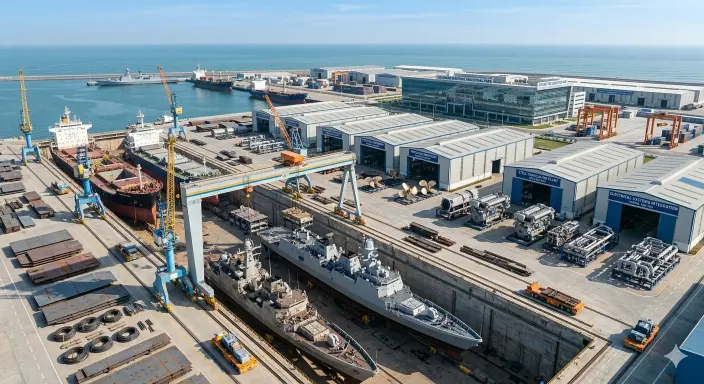
The Ministry of Ports, Shipping and Waterways is preparing a promotional scheme aimed at building a strong supplier base for the industry. The idea is to reduce dependence on imports and create a complete local ecosystem for ship construction as India moves toward its goal of becoming one of the top five shipbuilding nations by 2047.
Officials said the plan will likely include capital expenditure support and production-linked incentives to encourage investment in component manufacturing. The focus is on developing an “ancillary ecosystem” similar to the automotive sector, where multiple suppliers work alongside large manufacturers.
Experts have pointed out that modern shipbuilding depends heavily on a tightly integrated supply chain, where engines, propellers, steel, electrical systems, and accommodation units are delivered in sync with production timelines. Countries like South Korea have already developed highly efficient cluster-based models where suppliers operate close to shipyards to reduce costs and delays.
A key example shaping India’s strategy is the proposed large-scale shipbuilding cluster in Thoothukudi, Tamil Nadu. Global shipbuilding players, including HD Hyundai Heavy Industries, are planning major investments there, including a greenfield shipyard with large production capacity and a supporting vendor ecosystem.
The government is also encouraging related industries such as maritime crane manufacturing, with collaborations being explored between domestic firms like BEML Limited and global partners.
This new push builds on a broader ₹69,725 crore support package approved by the Union Cabinet, which includes financial assistance for shipyards, development of shipbuilding clusters, and long-term maritime financing mechanisms. The package is designed to close the cost gap between Indian and global shipyards while encouraging private investment.
Alongside this, a Maritime Development Fund has been proposed to improve access to long-term capital, and a separate Shipbuilding Development Scheme aims to strengthen skills, research, design capability, and infrastructure across the sector.
Officials said the overall goal is to scale up domestic ship production significantly, with plans already in place for hundreds of new vessels worth over ₹2 lakh crore in the coming years.
