


India is preparing to introduce isobutanol blending in diesel as part of a major push toward cleaner fuels and improved energy security. According to reports, the government may bring a formal blending mandate later this year as it expands its biofuel strategy beyond ethanol-blended petrol.
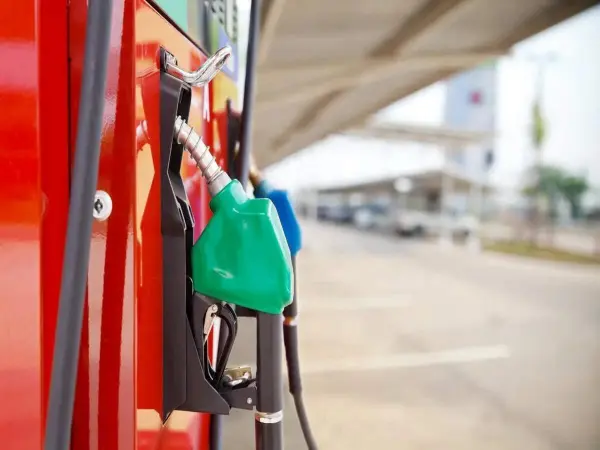
Road Transport and Highways Secretary V Umashankar said diesel blending is being examined “with great seriousness,” noting that diesel consumption in India is nearly twice that of petrol, which could make the impact of isobutanol blending even larger than ethanol blending in petrol.
Isobutanol is a biofuel derived from ethanol and biomass. Officials and researchers believe it may offer advantages over ethanol for diesel blending because of its higher energy density and lower water absorption properties. Initial trials involving 10% isobutanol-diesel blends have reportedly shown promising results.
The Automotive Research Association of India (ARAI), along with industry partners, has been conducting tests on vehicles using isobutanol-blended diesel. Reports suggest the technology could eventually support flex-fuel diesel engines capable of operating on higher biofuel blends.
Experts say the move could help India reduce crude oil imports, lower emissions, and support the country’s long-term clean energy and decarbonisation goals. However, discussions around engine compatibility, fuel efficiency, long-term durability, and costs are still ongoing as the government evaluates large-scale implementation.
