


The World Health Organization (WHO) has reported a small cluster of hantavirus infections linked to passengers aboard the MV Hondius cruise ship, while stressing that the overall public health risk remains low and very different from COVID-19.
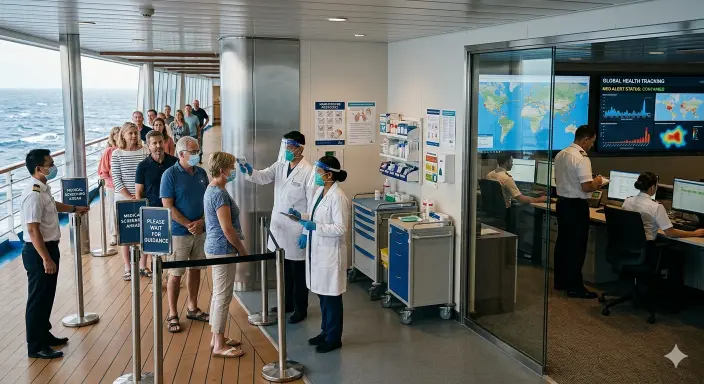
Limited Cases Reported on Cruise Ship
According to WHO, eight cases of hantavirus have been detected so far, including three deaths. Three cases have been confirmed through laboratory testing. The infections were identified after passengers from the cruise began reporting illness, prompting global contact tracing efforts.
Countries are now tracking passengers who disembarked from the ship during its stop at St Helena on April 24, as the vessel travelled through the South Atlantic. Authorities have contacted passengers from at least 12 countries to prevent any possible further spread.
What Hantavirus Is and How It Spreads
Hantaviruses are zoonotic infections, meaning they originate in animals—mainly rodents—and occasionally spread to humans. Transmission typically occurs through contact with infected rodent urine, droppings, or saliva. In rare cases, limited human-to-human transmission has been observed depending on the strain.
The virus is known to cause different severe illnesses depending on the region. In the Americas, it can lead to hantavirus cardiopulmonary syndrome, which affects the lungs and heart. In Europe and Asia, it can cause haemorrhagic fever with renal syndrome, which impacts the kidneys and blood vessels.
Experts confirmed that the strain detected in this outbreak is the Andes virus, found in South America and one of the few hantavirus strains with limited human-to-human transmission potential.
Severity and Medical Response
WHO Director-General Tedros Adhanom Ghebreyesus described hantaviruses as serious infections that can cause severe disease in humans, but emphasised that transmission usually occurs through rodent exposure rather than person-to-person contact.
There is currently no specific cure for hantavirus infections. Treatment focuses on early hospital care and managing complications involving the respiratory system, heart, and kidneys. Early detection and supportive care significantly improve survival chances.
WHO Says Pandemic Risk Is Low
Despite concerns following the cruise ship outbreak, WHO has assessed the public health risk as low. Officials stressed that the virus does not spread easily between humans and is not comparable to COVID-19.
WHO’s Maria Van Kerkhove stated that the situation is fundamentally different from the coronavirus pandemic, noting that this virus does not have the same transmission dynamics.
Monitoring and Ongoing Response
The MV Hondius is still on its voyage, with remaining passengers expected to disembark at the Canary Islands. None of the currently onboard passengers are showing symptoms.
Health authorities continue monitoring exposed individuals across multiple countries as a precaution, but global experts maintain that the outbreak remains contained and does not indicate pandemic-level risk.
