


India is developing Great Nicobar Island into a major strategic maritime hub, marking one of its most ambitious infrastructure projects in the Indian Ocean region.
The Great Nicobar Island Development Project aims to transform the island into a global transshipment and logistics centre, leveraging its proximity to the Strait of Malacca, one of the world’s busiest maritime trade routes.
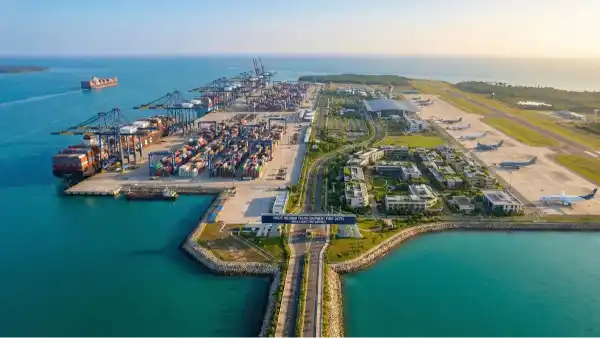
The project includes key components such as an international container transshipment terminal at Galathea Bay, a dual-use international airport, power infrastructure, and new urban townships.
Strategically, the development is expected to strengthen India’s presence in the Indo-Pacific, enhance maritime security, and reduce reliance on foreign ports for cargo handling.
With a planned investment exceeding ₹80,000 crore and phased development over decades, the project is designed to boost trade, logistics, tourism, and defence capabilities simultaneously.
However, the initiative has also sparked concerns. Experts have raised issues about deforestation, biodiversity loss, and the impact on indigenous communities such as the Shompen and Nicobarese.
Despite these debates, the project is seen as a game-changing move in India’s maritime strategy, positioning Great Nicobar as a key node in global trade and regional geopolitics.
