


India is fast-tracking DRDO’s Project Kusha, an advanced long-range air defence system, to strengthen the country’s ability to protect its skies while reducing dependence on foreign suppliers. Officially named the Extended Range Air Defence System, Project Kusha is being developed as a homegrown alternative to imported systems like the Russian S-400.
Three-Layer Missile Structure
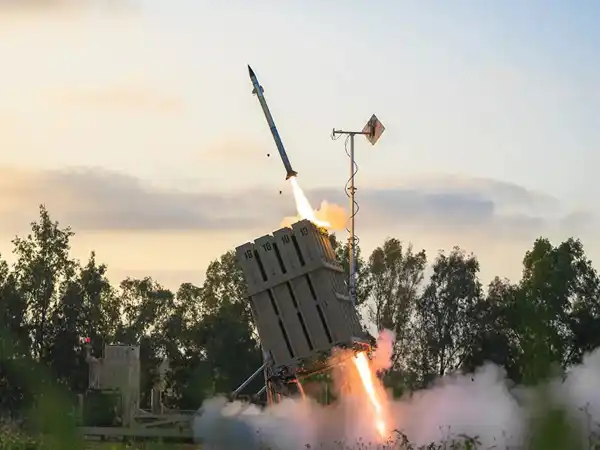
Reports indicate that Project Kusha will operate across three tiers of missiles: the M1 with a range of around 150 km, the M2 covering roughly 250 km, and the M3, the most sophisticated, expected to reach 350–400 km. Early development milestones for the M1 interceptor have already been achieved, marking an important step forward for the program. The system is expected to be inducted into the Indian Air Force between 2028 and 2029, with phased deployment continuing into 2030.
Greater Control and Indigenous Autonomy
A domestically developed air defence system allows India’s armed forces to work closely with local industry and agencies, minimizing reliance on foreign suppliers for upgrades or modifications. Advocates of the project note that imported systems often come with restrictions on software access and customization, which can limit operational flexibility.
Cost-Effective Alternative to the S-400
India’s purchase of the Russian S-400 system cost around $5.43 billion, whereas approval for acquiring five squadrons of Project Kusha has been estimated at approximately ₹21,700 crore. Analysts view Kusha as a more economical long-term option, provided it meets performance benchmarks.
Lower Lifecycle Costs and Local Integration
Maintaining foreign air defence systems can be costly and slow, as repairs, spares, and upgrades often rely on external suppliers. Project Kusha is designed for local support and maintenance, potentially reducing delays and improving operational readiness. Indian firms such as Bharat Electronics Limited and Bharat Dynamics Limited are contributing to radar systems, missile development, and overall integration.
Networked Operations for Faster Response
Project Kusha is expected to integrate with India’s Integrated Air Command and Control System (IACCS), enabling seamless coordination between radars, fighter jets, early-warning aircraft, command centers, and weapon systems. This integration would allow faster response times, more informed decision-making during combat, and greater overall operational effectiveness.
