


India is set to ramp up its neodymium output nearly nine times to 500 tonnes by FY27, up from around 200 tonnes expected in FY26. The move is part of a broader push to secure the country’s access to critical minerals amid tightening global supply chains.
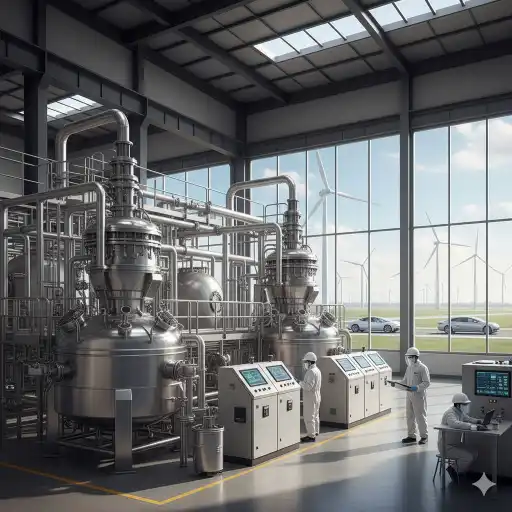
Indian Rare Earths Limited (IREL), a state-run enterprise under the Department of Atomic Energy, announced the target as global competition over rare earths intensifies. China’s export restrictions on several key minerals this year have added urgency, with new licensing rules for foreign companies set to take effect in December 2025.
Neodymium is vital for electric vehicles, wind turbines, defence systems, and electronics, making it one of the most sought-after elements in modern manufacturing. India produced just 40 tonnes last year, but IREL expects output of neodymium and praseodymium to double within a year, powered by homegrown engineering and expanded capacity.
IREL operates refining units in Odisha and Kerala, producing eight of the 17 rare earth elements. With China still controlling over 90 percent of global processing capacity and 94 percent of permanent magnet output, India’s plan marks a strategic shift toward self-reliance and energy security.
The recent export controls from Beijing have pushed several countries to develop local production to reduce dependence on Chinese supplies—a shift that places India in a strong position to build a sustainable rare earth ecosystem.
