


Finance Minister Nirmala Sitharaman unveiled the Indian government’s ambitious initiative to promote cervical cancer vaccination among girls aged 9 to 14. The announcement marks a significant move in the nation’s efforts to tackle cervical cancer, a disease that poses a considerable threat to women’s health.
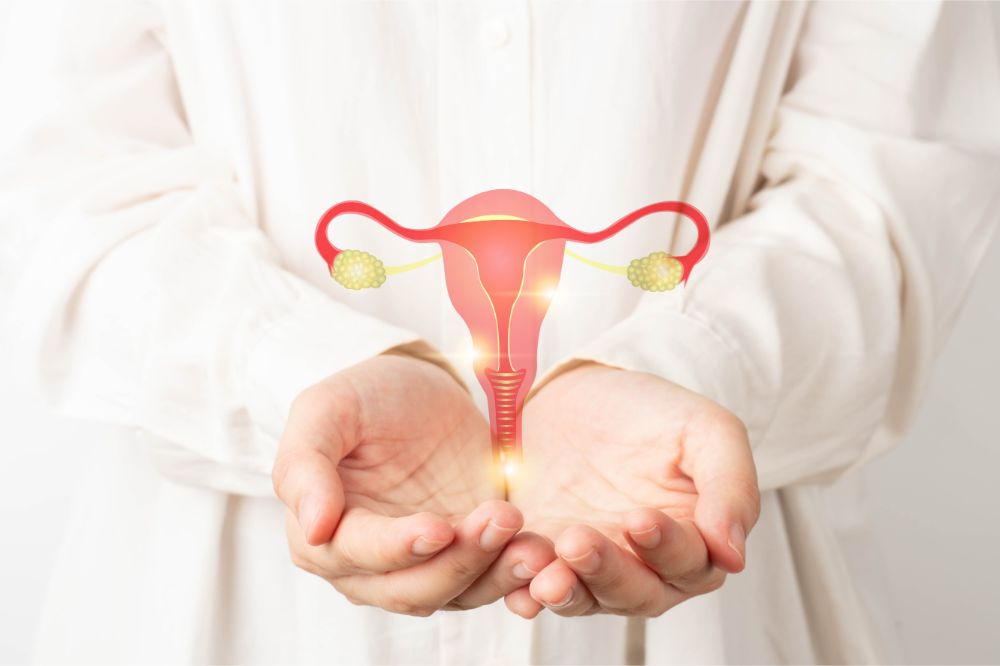
The vaccination program, as outlined by the Finance Minister, centers around the administration of the Human Papillomavirus (HPV) vaccine. This vaccine is specifically designed to provide protection against certain strains of cervical cancer, offering a ray of hope in the fight against this prevalent disease.
India, with a population of 511.4 million women aged 15 and older, faces a significant risk of cervical cancer, according to data from the HPV Information Centre. Each year, the country sees approximately 1,23,907 new cases of cervical cancer, resulting in 77,348 deaths, making cervical cancer the second most common cancer among women in India.
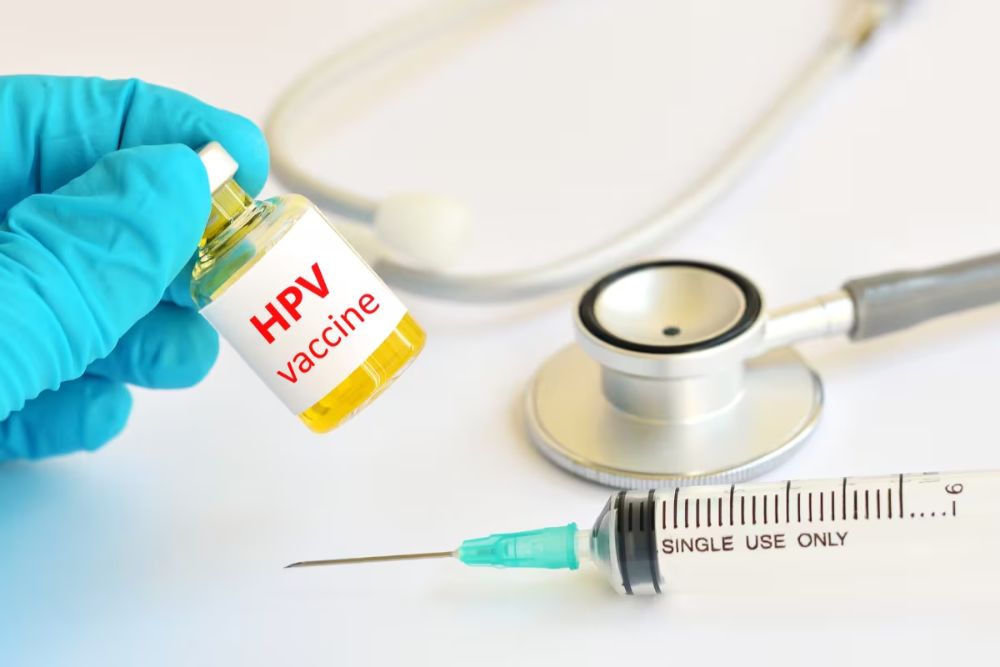
To address this pressing health issue, various HPV vaccines have been developed, including Gardasil by American multinational Merck, which is available in the market at a price of INR 10,850. Another product, Cervarix by GSK, was withdrawn from the Indian market in 2022.
In a notable development of 2023, India introduced its first indigenously developed Quadrivalent Human Papillomavirus vaccine, named ‘CERVAVAC.’ This vaccine, priced at around INR 2000 per dose, is the result of a collaborative effort between the Serum Institute of India (SII), the Department of Biotechnology (DBT), the Biotechnology Industry Research Assistance Council (BIRAC), and the Bill and Melinda Gates Foundation.
Under the guidance of the National Technical Advisory Group on Immunization (NTAGI), the HPV vaccine has been included in the Universal Immunization Program to combat cervical cancer among women. Schools are identified as primary venues for administering the HPV vaccine, aimed at preventing cervical cancer and cervix cancers among young girls.
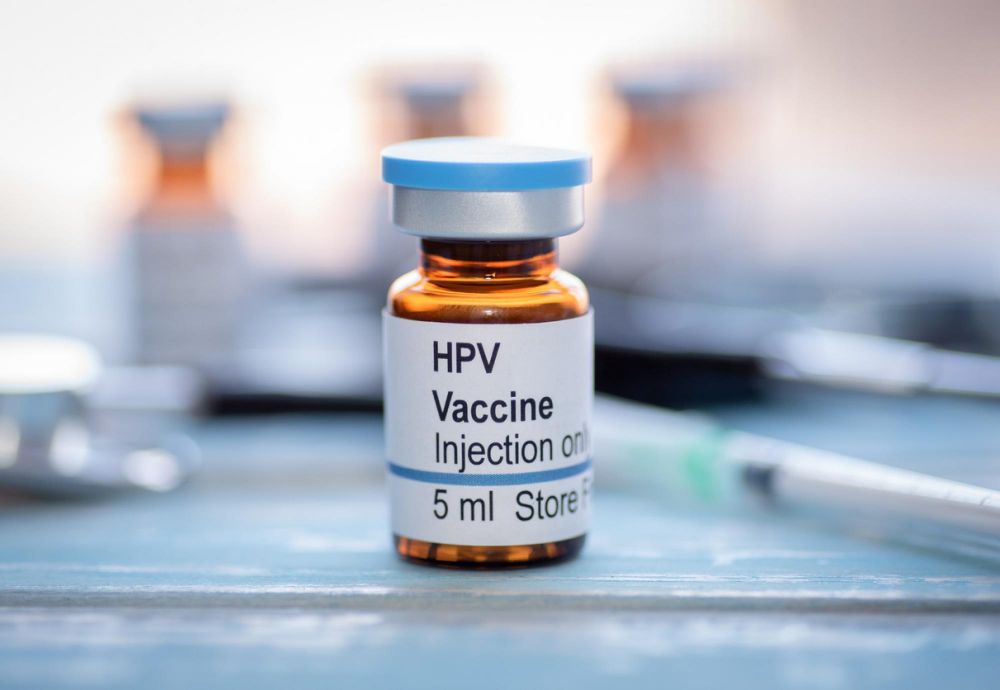
With India bearing the highest burden of cervical cancer cases globally, proactive measures are imperative in raising awareness and providing access to preventive healthcare. Lack of awareness about vaccination remains a significant challenge, highlighting the importance of initiatives like the HPV vaccination program.
The vaccination schedule involves administering 2 doses of the vaccine to individuals aged 9 to 14, 3 doses to those aged 15 to 26, and also 3 doses to individuals aged 27 to 45, emphasizing the importance of timely and comprehensive vaccination efforts in protecting women’s health against cervical cancer.
Several states, including Punjab, Sikkim, Karnataka, Tamil Nadu, Chhattisgarh, and Maharashtra, have already initiated HPV vaccination programs in school-based settings, reflecting the nationwide commitment to combating cervical cancer.
