


Mumbai-based Aegis Logistics is in advanced discussions to acquire UAE-headquartered liquid logistics company Tristar for around $1.5 billion. The proposed deal could significantly expand Aegis Logistics’ international presence and mark a major shift in its business strategy.
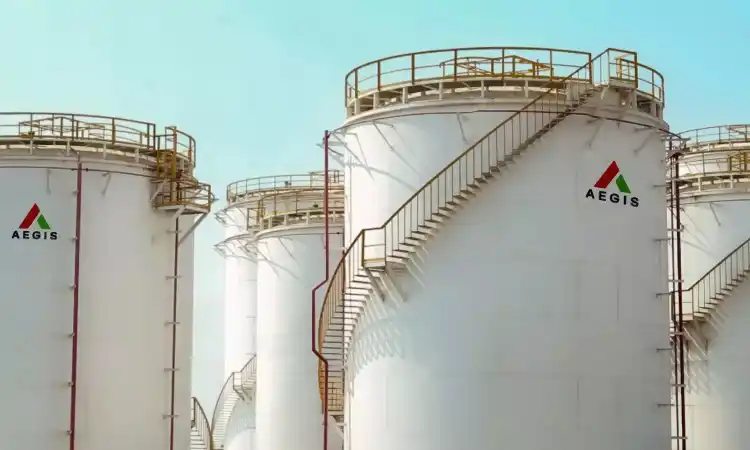
The acquisition would take Aegis beyond its traditional focus on LPG import, storage and distribution in India and give it access to a wider global energy logistics network.
Aegis Looks To Expand Global Footprint
Tristar operates in more than 30 countries and works with major global companies, including ADNOC and Dow Inc. Acquiring the UAE-based company would give Aegis an established international platform and strengthen its presence across the energy logistics sector.
Tristar was founded by the Chandaria family and has built a diversified logistics business covering multiple international markets.
For Aegis, the deal could support its ambition of developing an integrated energy logistics business with operations extending beyond India.
Strong LPG Business Supports Aegis
Aegis currently relies heavily on its Gas Division, which contributes around 90% of the company’s revenue. The proposed Tristar acquisition could therefore significantly change the company’s business mix by adding a large international logistics operation.
The company has entered the proposed transaction from a position of relatively strong financial performance.
Aegis reported a consolidated net profit of ₹484 crore in the first quarter of FY27, while revenue stood at ₹2,357 crore. However, the size of the proposed transaction remains significant compared with the company’s market capitalisation of around ₹45,156 crore.
Funding Will Be Key
A major focus for investors will be how Aegis finances the $1.5 billion acquisition.
The company is reportedly in discussions with Indian and European lenders to arrange funding. The proposed financing could include refinancing Tristar’s existing debt along with raising additional capital for the acquisition.
The final funding structure will be closely watched because a large increase in borrowings could put pressure on Aegis’ debt levels, interest costs and cash flows.
Geopolitical Risks Remain
The acquisition also comes with exposure to international markets where geopolitical and logistical risks can affect business operations.
Tristar has a significant presence in regions exposed to volatility in West Asia. Changes in political conditions, transportation costs and supply chains could affect the company’s operating performance.
Aegis will also need to integrate Tristar’s international operations without weakening the profitability of its existing businesses.
Investors Watch Balance Sheet Impact
For investors, the key question will be whether the global expansion can generate enough additional earnings to justify the high acquisition cost.
A debt-heavy funding structure could affect Aegis’ financial position, while a more balanced financing approach could limit pressure on the balance sheet.
The success of the transaction will ultimately depend on Aegis’ ability to integrate Tristar, manage its international operations and maintain strong cash flows while expanding its global energy logistics footprint.
