


LPG stoves remain an essential part of Indian households, powering everything from morning tea to full meals. However, rising cylinder prices have continued to strain household budgets. Against this backdrop, Union Minister Nitin Gadkari has introduced a new ethanol-based stove technology that could offer a cheaper alternative to LPG.
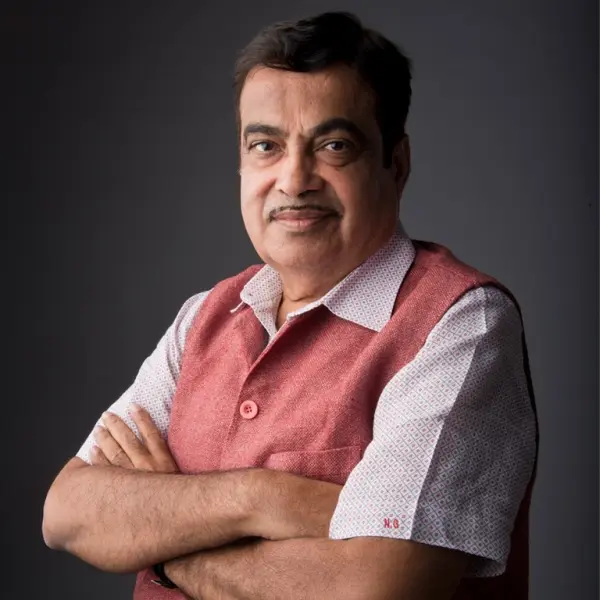
Speaking at a public event in Nagpur, Gadkari said the proposed stove uses a mixture of ethanol and water to produce a cooking flame. He claimed that this indigenous technology could significantly reduce cooking costs compared to commercial LPG cylinders, while also cutting dependence on imported fuels. According to him, blending around 7% ethanol with water could generate heat at a lower cost than LPG.
He also noted that India’s ethanol programme has grown rapidly in recent years, with blending in petrol increasing from about 1.5% in 2014 to nearly 20% in 2025, supported by government policies and biofuel investments.
Gadkari said the ethanol-water stove is a homegrown innovation that could help reduce fossil fuel imports and support cleaner energy use. Ethanol, produced from sugarcane, maize, and agricultural waste, burns more cleanly than conventional fuels and emits fewer harmful pollutants, potentially improving indoor air quality and reducing cooking costs.
However, experts point out that replacing LPG at scale would require a strong ethanol supply chain and widespread consumer adoption. India already has a large LPG distribution system, making any transition gradual and complex. While the government continues to push biofuels, green hydrogen, electric mobility, and biogas, experts say large-scale ethanol use for household cooking will depend on production capacity and real-world feasibility.
