


India’s digital payments ecosystem has reached a significant milestone, with the Unified Payments Interface (UPI) recording an average daily transaction value of more than ₹1 lakh crore in October 2026.
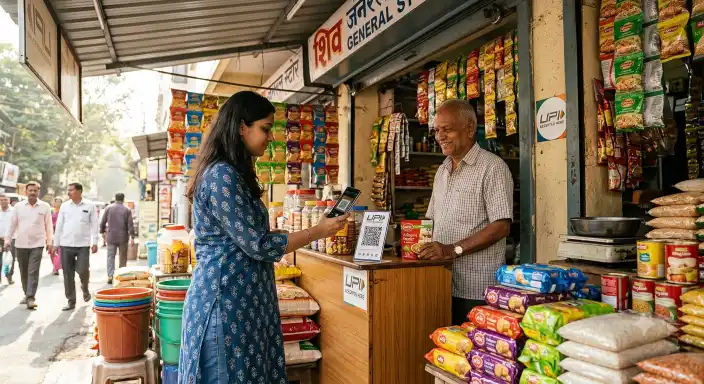

According to data from the National Payments Corporation of India (NPCI), UPI processed 2,547 crore transactions worth ₹31.53 lakh crore during the month. The average daily transaction value reached approximately ₹1,01,707 crore, compared with ₹97,913 crore in September.

Transaction volumes increased 23% year-on-year, while transaction value rose 16%. UPI also crossed the ₹30 lakh crore mark in monthly transaction value for the first time. The previous record was ₹29.90 lakh crore in May 2026.
What drove the growth?
Higher digital payment activity during the festive season contributed to the October numbers. UPI continues to be widely used for retail purchases, online shopping, utility bills and money transfers between individuals.
The platform processed an average of around 82 crore transactions per day during October. The monthly transaction count also exceeded the previous record of 2,451 crore transactions in August.
However, the increase in monthly totals must be viewed alongside October’s 31 days, compared with September’s 30 days. Average daily transaction activity also increased, indicating stronger usage beyond the additional calendar day.
The debate over UPI charges
The record growth comes as the payments industry prepares for the proposed introduction of merchant discount rate (MDR) charges on certain UPI transactions.
MDR is a fee paid by merchants for processing digital payments. Under the proposed framework, eligible merchant transactions above ₹2,000 could attract a charge of 0.4%, subject to a maximum of ₹300 per transaction.
For example, an eligible merchant payment of ₹10,000 would attract a fee of ₹40. Person-to-person transfers would remain free. Certain categories, including fuel, railway tickets and utility payments, would have different fee structures.
The implementation of the proposed charges was postponed by NPCI in October, with the revised start date to be announced separately.
Who will bear the cost?
The proposed fees have sparked debate among merchants, banks and payment companies over how the costs of maintaining India’s digital payments infrastructure should be shared.
Payment processing requires investments in technology, security, banking systems and customer support. Industry estimates suggest that MDR charges could generate additional revenue for banks and payment companies, helping fund the expanding payments network.
However, merchant groups have raised concerns about the impact of additional charges on businesses, particularly those operating with narrow margins.
The October figures highlight UPI’s growing role in India’s economy. The next challenge will be to sustain this growth while developing a funding model that supports payment providers without discouraging merchants or consumers from using digital payments.
