


US Secretary of State Marco Rubio has described India as a “refining superpower”, citing its capacity to process different types of crude oil, including heavy Venezuelan crude. The remark came during his visit to India from October 20 to 22, 2026, as Washington seeks to strengthen energy cooperation and expand the market for Venezuelan oil.
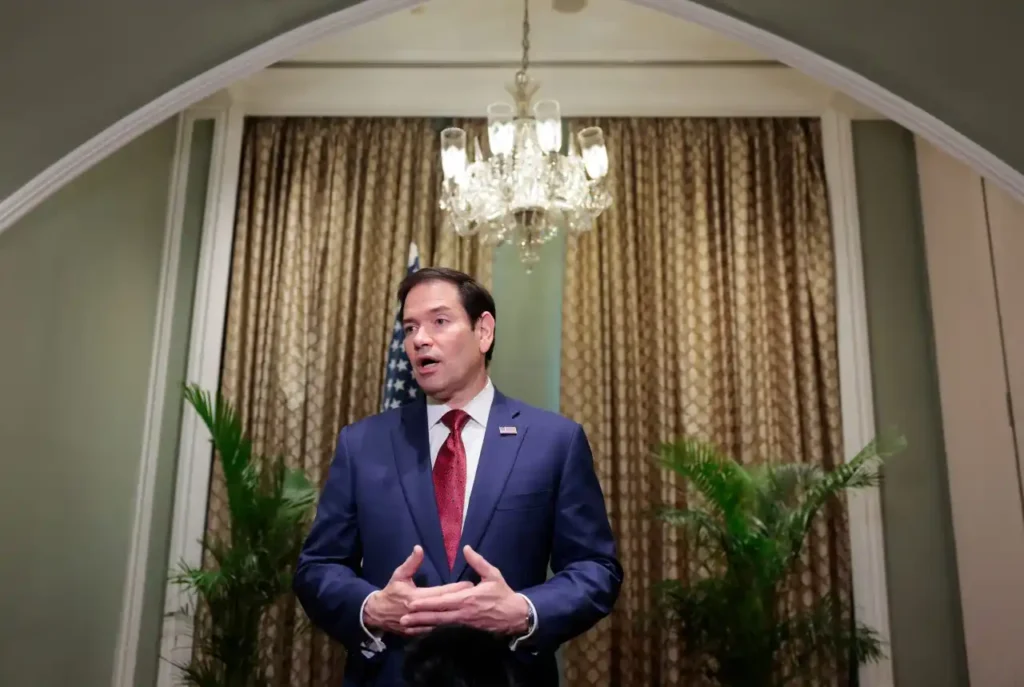
Rubio highlighted the capabilities of Reliance Industries, particularly its Jamnagar refinery complex in Gujarat, ahead of his visit to the facility. He said India’s refining expertise could help process additional Venezuelan crude as global energy markets face supply disruptions and geopolitical uncertainty.
India’s Refining Capacity and Global Position
India is one of the world’s largest oil-refining nations, with an extensive network of public- and private-sector refineries. According to the Energy Institute’s data cited by Moneycontrol, India ranked fourth globally in refining capacity in 2025, accounting for 4.7% of worldwide capacity. India’s installed refining capacity stood at around 267.1 million tonnes per annum as of April 2026, with plans to expand it further by 2030.
Although India imports most of the crude oil it consumes, it has built the infrastructure to process imported crude into fuels and other petroleum products. This allows the country to serve both its domestic energy market and international buyers.
India exported 61.5 million tonnes of petroleum products in FY2025–26, according to figures cited in the reports. Refined fuel exports include products such as diesel, petrol and aviation turbine fuel, making refining an important contributor to the country’s energy trade.
Jamnagar’s Role in Processing Heavy Crude
Reliance Industries’ Jamnagar complex is the world’s largest oil-refining complex at a single site. Its two refineries have a combined capacity of about 68.2 million tonnes per year, equivalent to roughly 1.4 million barrels of crude oil per day. The facility can process a wide range of crude grades, including heavy and high-sulphur varieties.
This flexibility is particularly relevant to Venezuelan crude, which is often heavy or extra-heavy and requires specialised processing equipment. Only certain refineries can handle these grades efficiently. Reliance’s Jamnagar complex and Nayara Energy’s Vadinar refinery are among the Indian facilities equipped to process such crude.
Why the US Is Looking at Venezuelan Oil
Washington is seeking to increase Venezuelan oil production and expand its sales to international markets. India’s ability to process heavy crude could help create additional demand for these supplies while supporting the availability of refined petroleum products globally.
India has resumed imports of Venezuelan crude following an easing of US restrictions earlier in 2026. The country imported around 201,000 barrels per day from Venezuela in September, according to data cited by Moneycontrol. However, future purchases will depend on crude quality, prices, refining margins and the availability of alternative supplies.
Energy Ties and Strategic Considerations
Rubio’s remarks and his visit to Jamnagar underline the growing role of energy in India-US economic relations. The US is seeking to expand energy exports to India and encourage closer commercial cooperation with major Indian companies. Reliance’s planned investment in a new refinery in Texas also adds another dimension to the relationship.
For India, the challenge is to strengthen energy partnerships while retaining flexibility over crude sourcing. The country’s refining capacity offers an advantage in global markets, but decisions on imports will continue to depend on commercial considerations, supply security and geopolitical developments.
