


The United States is planning another round of tariff increases targeting India, China and 14 other economies, citing concerns over government subsidies and excess industrial production. The proposed move could add pressure to ongoing trade negotiations between New Delhi and Washington, with the announcement expected as early as this week.
US Trade Representative (USTR) Jamieson Greer is expected to announce the findings of an investigation launched on March 11, 2026, covering 16 economies under Section 301 of the Trade Act of 1974.
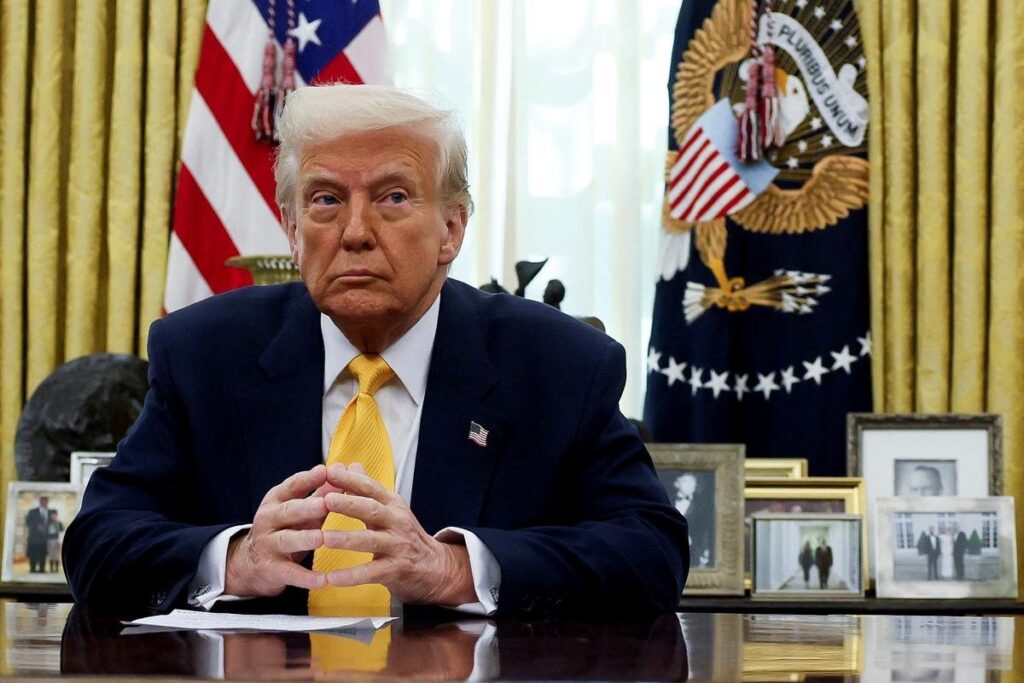
Why Is the US Considering New Tariffs?
The Trump administration alleges that government subsidies and other forms of industrial support in these economies have encouraged manufacturers to produce more goods than their domestic markets can absorb.
According to Washington, this excess capacity allows companies to export goods at lower prices, creating unfair competition for American manufacturers.
Section 301 of the Trade Act of 1974 allows the US government to impose tariffs in response to trade practices it considers unfair or discriminatory and harmful to American commerce.
India Could Face Higher Duties
The proposed tariff rates have not yet been finalised. However, reports suggest that India and Vietnam could face higher duties depending on the terms of their trade arrangements with Washington.
The European Union, Japan and South Korea are likely to face overall tariff rates of 15% or lower under their respective agreements with the Trump administration.
China could face higher tariffs than several other economies, with US officials citing the scale of its industrial subsidies.
The proposed duties are expected to cover most products exported from the economies under investigation. Steel, aluminium and automobiles could be excluded as they already face separate US tariffs under national security provisions.
Fresh Tariffs Could Come on Top of Existing Duties
The proposed action could add to tariffs introduced in July 2026 following a separate US investigation into forced labour in foreign supply chains. Those measures resulted in additional duties ranging from 10% to 12.5% on several trading partners, including the economies covered by the latest investigation.
The final rates and implementation timeline for the proposed new tariffs remain unclear.
India-US Trade Negotiations Face Fresh Uncertainty
The development comes as India and the US continue negotiations on an interim bilateral trade agreement. A framework finalised in February 2026 was pushed back for further discussions after the US Supreme Court struck down tariffs imposed under the International Emergency Economic Powers Act.
India is seeking lower duties on its exports to the US compared with competing economies such as Bangladesh, Vietnam and Cambodia.
The latest tariff proposal could therefore influence negotiations over market access and the competitiveness of Indian exports in the American market.
Neither the final tariff rates nor the precise date of implementation has been confirmed. The outcome of the USTR investigation will be important for India’s exporters and the broader direction of India-US trade relations.
