


Six Parsi and Zoroastrian community organisations have expressed support for Tata Trusts amid the ongoing dispute over the governance of Tata Sons, urging Prime Minister Narendra Modi to safeguard the Tata Group’s traditional ownership model and long-term vision.
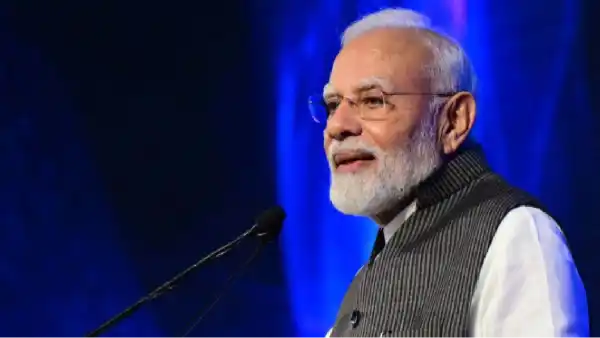
In a letter dated October 7, the organisations said the developments involving Tata Trusts and Tata Sons extend beyond a corporate or shareholder dispute. They argued that changes to the group’s ownership structure could affect its governance, philanthropic legacy and long-term investment priorities. The letter was reported by multiple media outlets on October 23, 2026.
Six Organisations Support Tata Trusts
The letter was signed on behalf of six organisations: the Bombay Parsi Punchayet, the Federation of Parsi Zoroastrian Anjumans of India, the Federation of Zoroastrian Associations of North America, the Zoroastrian Trust Funds of Europe, the Global Council of Zoroastrians Trust and the World Zoroastrian Chamber of Commerce.
The signatories urged stakeholders to consider the wider public interest and preserve the values associated with the Tata name. They said the group’s traditional ownership structure had helped it pursue long-term objectives while maintaining its focus on philanthropy, ethics and social responsibility.
Why Is Tata Sons’ Listing Under Discussion?
Tata Sons is the holding company of the Tata Group, with Tata Trusts collectively holding around 66% of its equity. The trusts have opposed a public listing, arguing that the existing structure supports long-term decision-making and the group’s philanthropic commitments.
The listing debate has gained attention after the Reserve Bank of India rejected Tata Sons’ application to surrender its registration as a core investment company in September 2026. The decision brought the possibility of a stock market listing back into focus, while highlighting differences over the company’s governance and ownership.
Concerns Over Long-Term Governance
The Parsi and Zoroastrian organisations cautioned that a shift towards short-term market expectations could affect Tata Sons’ institutional identity and investment priorities. They highlighted the group’s contributions to Indian industry, scientific research, healthcare and education, along with investments in sectors such as semiconductors, defence, clean energy and electric mobility.
The letter described the Tata Group as an institution with national and global significance, arguing that its legacy of philanthropy and social responsibility should be preserved for future generations.
The intervention adds a community voice to the wider debate over Tata Sons’ future ownership structure, corporate governance and the balance between regulatory requirements and the group’s long-term stewardship model.
