


DP World Group CEO Yuvraj Narayan has called on India to rethink its port development model, arguing that traditional time-bound concessions can discourage long-term investment in infrastructure. He has proposed longer-term joint ventures between the government and private operators to support continued investment and modernisation.
Narayan said a 30-year concession leaves operators with limited time to recover investments after accounting for construction and the period required to stabilise operations. Under the proposed model, the government would retain ownership of port infrastructure while private operators manage operations against agreed performance targets.
He said this approach could reduce uncertainty around contract renewals and repeated bidding, encouraging companies to invest in technology, capacity expansion and operational improvements. Narayan also criticised arrangements involving revenue-sharing requirements, tariff controls and the development of competing facilities, saying these could weaken investment incentives.
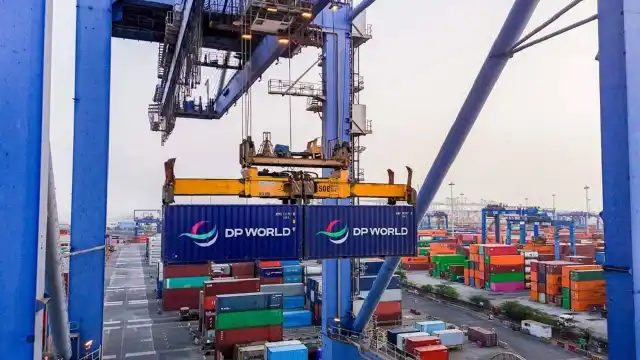
The proposal comes as DP World looks to expand its presence in India. The company has pledged an additional $5 billion for its ports, rail and logistics network, while its Indian operations include five container terminals with a combined annual capacity of six million twenty-foot equivalent units (TEUs).
Narayan said India should also focus on strengthening its role as a gateway for its own exports and imports rather than prioritising transshipment volumes. He argued that gateway trade creates wider economic benefits by connecting Indian businesses to global markets and supporting inland transport, warehousing and logistics.
DP World is exploring further opportunities in India’s port sector, including the Vadhavan project in Maharashtra, while expanding its integrated logistics network. Narayan said predictable policies, faster project execution and long-term investment frameworks would be important to attract more private capital and strengthen India’s position in global supply chains.
His remarks underline the need to align port concession policies with the long investment cycles involved in developing and modernising major maritime infrastructure.
