


Elon Musk’s SpaceX-owned Starlink has reapplied to India’s space regulator for permission to deploy its second-generation satellite network, renewing its plans to provide satellite communication services in the country
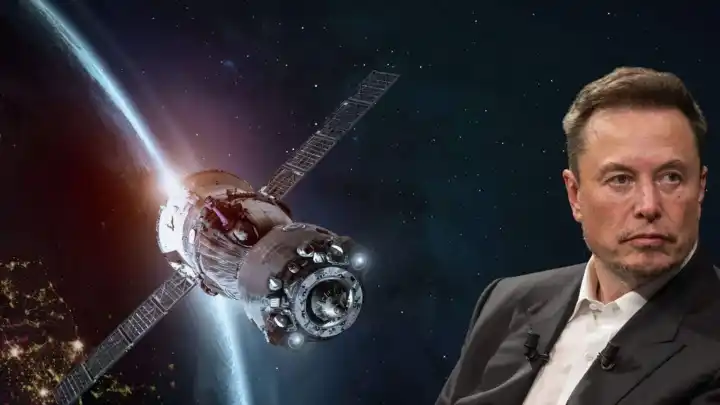
According to reports, Starlink’s new application seeks approval for nearly 30,000 satellites in low Earth orbit and includes newer technology such as direct-to-device connectivity
Earlier Gen 2 Application Was Rejected
Starlink had earlier applied for approval of both its first-generation and second-generation satellite constellations in India
India’s space regulator IN-SPACe approved only the first-generation network, which includes 4,408 low Earth orbit satellites and is designed mainly for traditional satellite broadband services
The earlier Gen 2 application was not approved because some of its proposed features and frequency bands did not meet Indian requirements
Starlink Adds Direct To Device Technology
The latest application comes as India works on rules for direct-to-device satellite connectivity
D2D technology allows compatible smartphones and other devices to connect directly to satellites without needing a separate satellite terminal
This could help provide connectivity in remote areas where traditional mobile networks are weak or unavailable
Gen 2 Could Bring More Services
SpaceX plans to eventually deploy around 42,000 satellites under its second-generation Starlink network
For India, the company has reportedly requested approval for nearly 30,000 satellites and could apply for additional satellites later
The larger constellation is expected to support more advanced satellite communication services, including direct mobile connectivity
India Yet To Finalise D2D Rules
India is still working on the regulatory framework for direct-to-device satellite services
The Telecom Regulatory Authority of India is examining the issue, while the government is also working on spectrum allocation and other rules
Indian telecom companies have argued that satellite providers offering direct mobile connectivity should follow rules similar to traditional telecom operators
They have also raised concerns about the impact of satellite-based mobile services on existing telecom businesses
Countries such as the US, Canada and Australia have already introduced rules allowing satellites to support mobile networks
In the US, Starlink has partnered with T-Mobile to provide satellite connectivity to compatible phones in areas without regular cellular coverage
Competition Growing in India
Starlink is not the only company targeting India’s growing satellite communication market
Reliance Jio has proposed a low Earth orbit network of around 1,600 satellites, while Bharti-backed Eutelsat OneWeb is also seeking to expand satellite broadband services in India
Amazon is another major global company preparing to enter the satellite connectivity market
More Approvals Still Needed
IN-SPACe approved Starlink’s Gen 1 constellation in July 2025, allowing the company to pursue traditional satellite broadband services in India
However, satellite operators still need to complete other regulatory and operational requirements before launching commercial services
Spectrum allocation, security clearances and other government approvals remain important steps
If Starlink receives approval for its Gen 2 network and D2D technology, the company could expand beyond traditional satellite broadband and compete more directly with conventional telecom networks in India
