


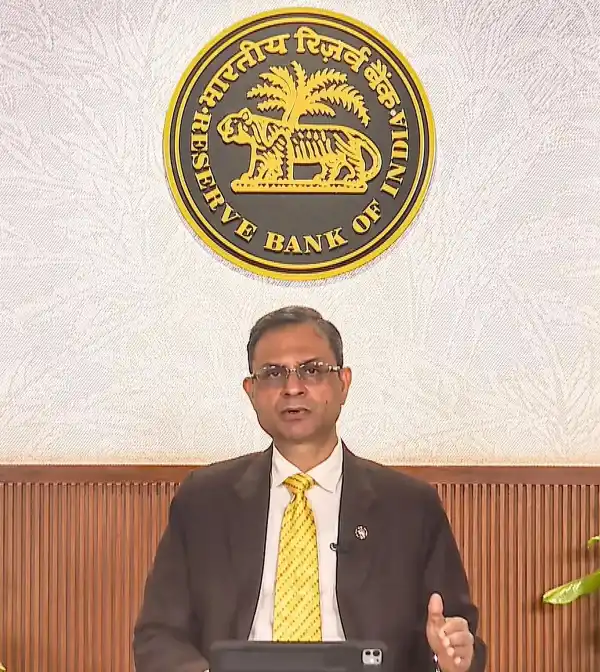
The Reserve Bank of India (RBI), under Governor Sanjay Malhotra, is reportedly planning to reopen the licensing window for new Urban Co-operative Banks (UCBs), marking a significant policy shift after more than two decades. The move comes as the central bank believes the sector has become financially stronger following years of regulatory reforms and improved governance.
The RBI had suspended the issuance of new UCB licences in 2004 after several newly licensed co-operative banks became financially weak within a short period. Since then, the regulator has introduced stricter supervision, a tiered regulatory framework, and governance reforms aimed at improving the stability of the sector.
According to reports, the proposal is part of a discussion paper that seeks stakeholder feedback before a final decision is taken. The RBI is also expected to prescribe stringent eligibility criteria, including higher capital requirements, strong governance standards, and a proven operational track record for applicants seeking new licences.
Urban Co-operative Banks play a crucial role in serving urban and semi-urban communities by providing banking services to small businesses, traders, self-employed individuals, and local households. Reopening the licensing window could improve access to formal banking services and strengthen financial inclusion in underserved areas.
If implemented, the proposal would mark the first major expansion of the UCB sector since 2004. The RBI is currently inviting comments from stakeholders before finalising the new licensing framework, which is expected to balance financial stability with the need to expand community banking services.
