


Union Minister for Ports, Shipping and Waterways Sarbananda Sonowal announced that the proposed Goa Water Metro project has now been moved into Phase 1 implementation priority, marking a major push for modern water-based transport in the state.
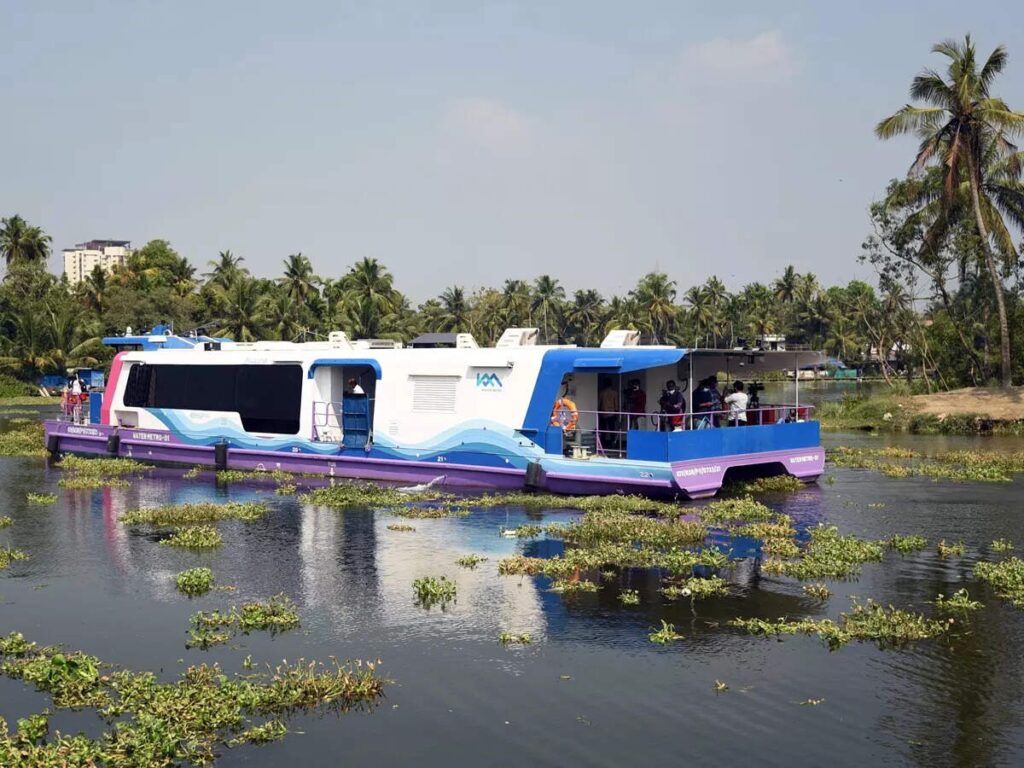
Speaking in Panaji during the inauguration of the new Captain of Ports department building, Sonowal said the decision came after discussions with the Goa Chief Minister, who urged the Centre to advance the project timeline. He noted that the success of the Kochi Water Metro served as a model for expanding similar systems in Goa.
A new push for daily transport and tourism
Sonowal said the project is expected to reshape daily commuting in Goa while also strengthening the state’s tourism experience. According to him, the goal is to make water transport a practical and efficient mobility option, not just a tourist attraction.
He expressed confidence that the project would soon become a reality and deliver visible benefits to residents and visitors alike.
Goa’s growing role in India’s maritime development
Highlighting broader maritime reforms, Sonowal said India’s shipping and waterways sector has seen strong growth over the past twelve years. He pointed out that Goa has played a notable role in this progress, becoming the first state to implement the Inland Vessels Act, 2021.
He also cited national improvements such as increased port capacity, faster cargo handling, and a major expansion of inland waterway operations across the country.
Project design and route planning
The Goa government had earlier tasked Kochi Metro Rail Limited with preparing the detailed project report. A feasibility study covering 28 locations identified eight viable routes for the proposed system.
The plan includes around 87 vessels operating across a 111-km network, with key corridors such as Panaji–Narve, Betim–Old Goa, Vasco–Cortalim, and Panaji–Chapora among others.
Rising passenger demand expected
Projections suggest strong demand for the water metro service. Daily ridership is expected to increase from over 43,000 passengers currently to more than 60,000 by 2041, reflecting growing dependence on water-based urban transport in the state.
