


India is taking a major step toward self-reliance in strategic defence technologies through Project Kusha, an indigenous long-range air defence programme aimed at creating capabilities comparable to some of the world’s most advanced missile defence systems.
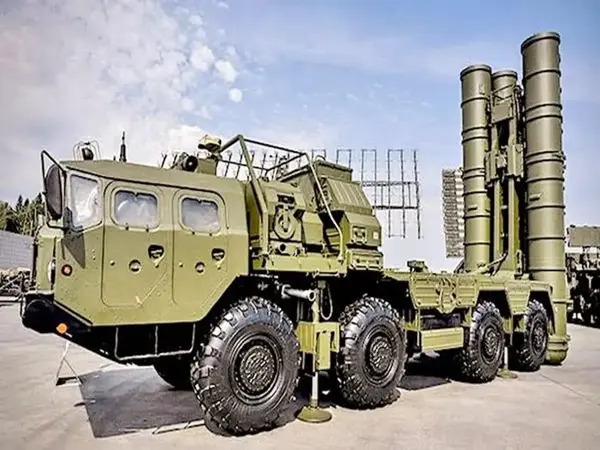
At the heart of the project is the Long-Range Multifunction Radar (LR-MFR), a sophisticated sensor system designed to detect, track and engage multiple aerial threats simultaneously. The radar will serve as the command-and-control backbone of the Project Kusha air defence network.
The LR-MFR is expected to provide advanced surveillance and target-tracking capabilities against fighter aircraft, drones, cruise missiles and ballistic missile threats. Defence experts describe it as a critical element that will enable rapid threat identification and coordinated interception.
Project Kusha is often compared with global long-range air defence systems, including Russia’s S-400. However, the indigenous programme aims to provide India with greater technological control, reduced dependence on foreign suppliers and the flexibility to upgrade systems domestically.
The development reflects India’s broader push toward indigenous defence manufacturing under the Atmanirbhar Bharat initiative. By building core technologies such as radars, missile systems and command networks at home, India aims to strengthen both national security and defence industrial capabilities.
Once operational, Project Kusha is expected to become one of the most important pillars of India’s future air and missile defence architecture, enhancing protection against a wide range of emerging aerial threats.
