


The US government has announced a major change in immigration rules requiring people in the country on temporary visas to return to their home countries before applying for a green card, marking a sharp shift from a system that has been in place for decades.
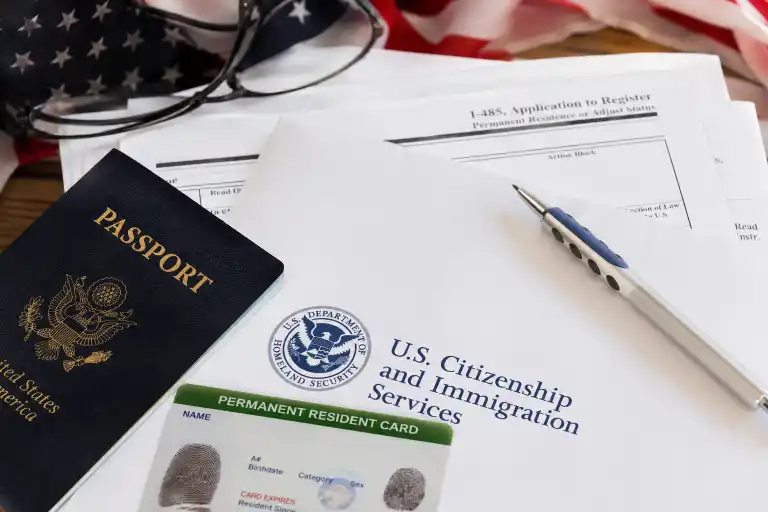
According to the US Citizenship and Immigration Services (USCIS), applicants on non-immigrant visas such as students, temporary workers, and tourists will now generally need to complete the permanent residency process from outside the United States. Officials said the move is intended to close what they described as a “loophole” and reduce cases of people overstaying after being denied residency.
USCIS also said the policy would allow the State Department to handle most applications through consular offices abroad, while freeing up domestic resources for other immigration cases such as victim protection visas, naturalisation, and humanitarian applications.
However, the agency noted that limited “extraordinary circumstances” could exempt some applicants. It has not clearly defined these conditions, though officials indicated that cases involving national interest or economic benefit may be considered for exceptions. Critics say this gives officials wide discretion and creates uncertainty for applicants.
The policy affects a wide group of foreign nationals already living legally in the US, including workers, students, refugees, and spouses of US citizens, many of whom currently apply for green cards without leaving the country.
Immigration experts and rights groups have raised concerns that the change could separate families, delay applications indefinitely, and create barriers for people from countries where US visa processing is limited or unavailable.
The decision is part of a broader tightening of immigration rules in recent years, including expanded visa bond requirements, stricter refugee screening, limits on travel from several countries, and changes affecting green card eligibility and the Diversity Visa lottery programme.
Legal challenges are expected, with critics arguing that the policy could harm skilled migration and reduce the US’s attractiveness to global talent. Courts have previously blocked similar immigration measures, and the final implementation timeline remains unclear.
