


U.S. President Donald Trump is heading to China for a high-level summit with Chinese President Xi Jinping, marking the first visit by a U.S. leader to the country in a decade. The meeting, originally planned for March, was pushed to May following the US-Israel conflict with Iran.
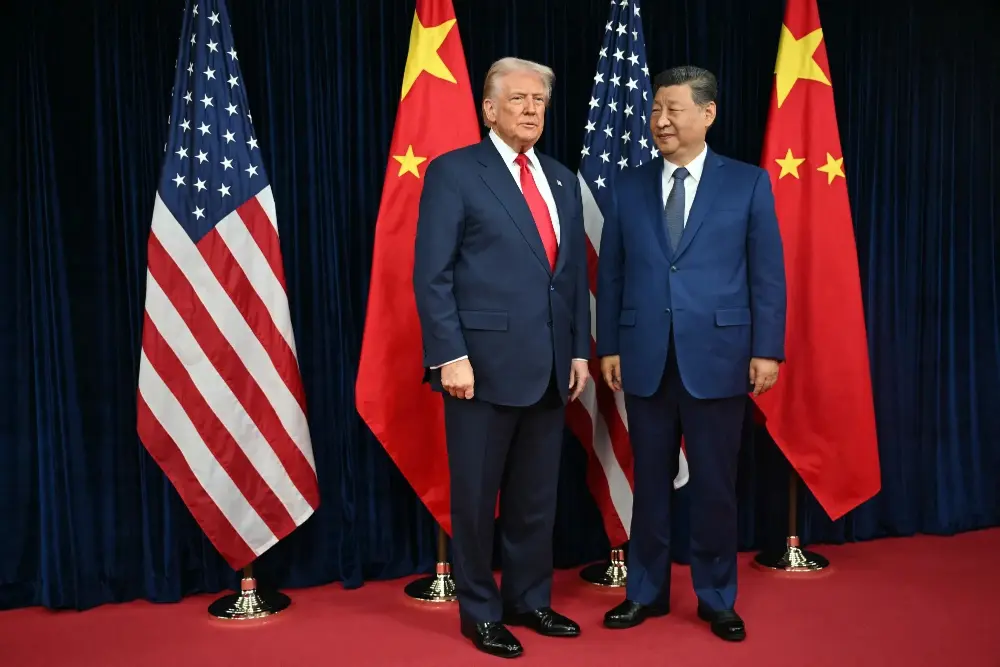
Trump is expected to arrive in Beijing on May 13 (morning U.S. time), with two days of bilateral talks scheduled before he departs on May 15. His itinerary includes formal meetings, a state banquet, and a working lunch with Xi.
Key issues on the agenda
The summit comes at a tense global moment, with three major topics expected to dominate discussions: the Iran conflict, trade relations, and tariffs.
The war involving Iran has become a growing point of friction between Washington and Beijing. China depends heavily on oil passing through the Strait of Hormuz, making regional stability a major concern for its energy security. Any disruption to oil flows is expected to be a key talking point between the two leaders.
At the same time, trade tensions remain unresolved. Both countries have maintained reciprocal tariffs since last year’s truce, and while some tensions eased, core disputes over trade practices and export controls still remain active. Both sides are expected to consider extending the temporary trade détente.
China’s broader economic ties with Iran, including oil purchases and alleged indirect support, are also likely to come up. Washington has raised concerns about sanctions enforcement and possible transfers of sensitive goods, which Beijing has rejected.
Trade and economic talks
Despite geopolitical strain, trade remains central to the summit. Trump has signaled that economic cooperation will be his top priority, including discussions on tariff relief and a potential framework to better manage long-term economic relations between the two countries.
There is also talk of a new trade coordination mechanism aimed at stabilizing relations between the world’s two largest economies.
Diplomatic tone amid tension
Both leaders have publicly downplayed the idea of a breakdown in relations, suggesting continued engagement even amid disagreements. Preparatory signals from both sides, including cooperation on issues like drug trafficking enforcement, suggest a cautious effort to keep dialogue open.
Still, with energy security, tariffs, and geopolitical rivalries all converging, the summit is expected to be tightly packed and politically sensitive.
