


Thailand is stepping up its appeal to long-term visitors with a new visa designed for today’s flexible, work-from-anywhere lifestyle. Known as the Destination Thailand Visa (DTV), it is being positioned as a five-year multiple-entry option for people who want to stay longer than a typical tourist trip.
A Long-Term Visa Built for Modern Travel
The DTV allows eligible foreigners to stay in Thailand for up to five years, with each visit permitting a stay of up to 180 days. That stay can be extended once, meaning visitors could remain in the country for nearly a year at a stretch.
Since it is a multiple-entry visa, travellers can leave and re-enter Thailand freely during the validity period, making it suitable for people who split time between countries.
Who the Visa Is Meant For
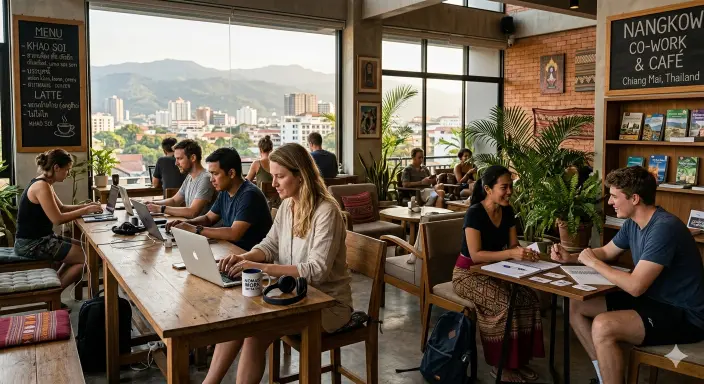
The visa is open to applicants from several countries, including India, and is aimed at a wide range of long-stay visitors. This includes digital nomads, freelancers, remote employees working for overseas companies, and entrepreneurs running foreign businesses.
It also covers people travelling for structured long-term activities such as language learning, wellness programmes, cultural courses, and sports training like Muay Thai. The idea is to blend tourism with longer immersive stays.
Thailand’s Soft Power Strategy
A key feature of the DTV is its focus on “soft power” activities. Instead of limiting eligibility to remote work alone, Thailand is encouraging participation in cultural and lifestyle programmes.
These include Muay Thai training camps, Thai cooking schools, wellness retreats, fitness programmes, and cultural workshops. The approach is designed to promote Thai culture while supporting tourism revenue beyond short-term visits.
Financial Requirements and Eligibility
Applicants must show financial stability, typically with proof of at least 500,000 Thai Baht in funds, roughly ₹14–15 lakh depending on exchange rates.
Accepted documents include bank statements, salary slips, employment contracts, or savings records. Authorities generally do not accept informal proof such as screenshots or investment portfolios.
Applicants must also be at least 20 years old and provide valid supporting documents depending on their purpose of stay, such as remote work proof or course enrolment letters.
Application Process
The application process involves submitting documents through Thailand’s e-visa system or authorised visa centres. Applicants may need to provide passport details, financial proof, accommodation information, and relevant supporting documents.
The visa fee from India is around ₹25,000, though it can vary slightly. Processing times usually range from a few days to over a week, depending on the application load.
Some applicants may also be required to attend an interview or verification step at a Thai embassy or visa centre.
Life After Arrival
Once in Thailand, visa holders must comply with local immigration rules, including residence reporting requirements. Extensions are available for an additional fee, allowing continued stay beyond the initial period.
The Destination Thailand Visa reflects Thailand’s push to attract long-stay travellers, digital professionals, and cultural visitors. By offering a structured long-term option, it moves beyond traditional tourist visas and supports the growing trend of remote work and extended global travel.
