


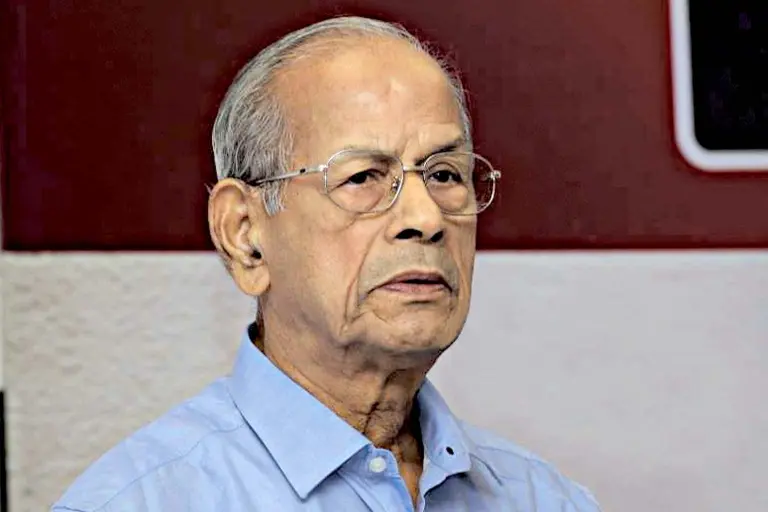
E. Sreedharan presented the revised plan for a high-speed rail corridor in Kerala at a press conference in Ponnani. The updated alignment now includes Pathanamthitta district and will feature 20 stations along a 465 km route. A dedicated team has been formed to push detailed planning and advance project implementation, with the aim of improving connectivity across the state.
Route and Stations
The corridor is planned to start at Thiruvananthapuram Central, passing through Thiruvananthapuram Airport via a tunnel, Varkala, Kollam, Kottarakkara, Pathanamthitta, Thiruvalla, Kottayam, Vaikom, Ernakulam, Nedumbassery, Thrissur, Pattambi, Malappuram, Karipur, Kozhikode, Koyilandy, Vadakara, Thalassery, and ending at Kannur. Stations are spaced 20–30 km apart to ensure regional access. The line will link the three major airports at Thiruvananthapuram, Nedumbassery, and Kannur, supporting multimodal transport. Solar farms at stations will supply energy for operations, with generation costs included in the project budget.
Speed and Travel Time
The rail is designed for a maximum speed of 200 kmph, with commercial operations at 140 kmph and peak speeds reaching 180 kmph in selected stretches. The journey from Thiruvananthapuram to Kannur is expected to take about three hours and 20 minutes, significantly cutting travel time compared with current services. The focus will be on speed and reliability to attract commuters from slower trains.
Costs, Fares, and Ridership
The first phase is estimated to cost Rs56,500 crore (565 billion), a revision from earlier projections that lowers the overall expense. The corridor is expected to serve around half a million passengers daily. Proposed fares are Rs440 from Thiruvananthapuram to Ernakulam, Rs640 to Kozhikode, and Rs780 to Kannur—positioned as more affordable than existing Vande Bharat services in Kerala. Further studies and approvals are required before construction can begin.
