


Ratan Tata, a name synonymous with Indian entrepreneurship and philanthropy, has left an indelible mark on the business landscape of India. His recent demise has not only mourned a great leader but also celebrated a life dedicated to values, integrity, and innovation.
A Simple Call to Install a TV
A few years ago, an ordinary call came into a store manager at Chroma Studios in Mumbai. A high-profile businessman in Colaba needed a new TV installed. Colaba is known for its affluent residents, including Bollywood stars and politicians. A team of three technicians was dispatched, expecting to encounter luxury, but what they found was surprising.
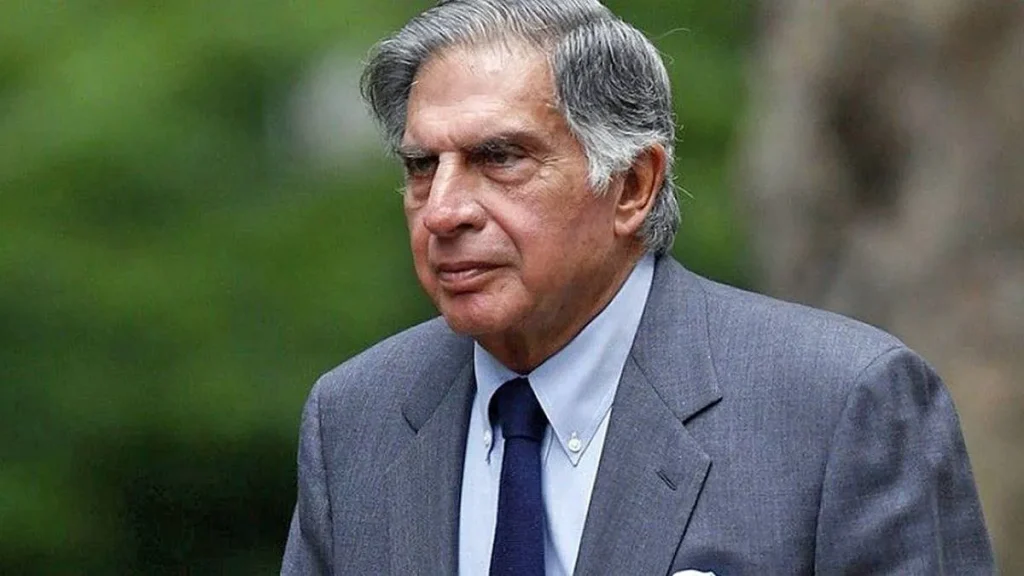
Upon entering a dilapidated old bungalow, the team anticipated a lavish interior but was instead greeted with decades-old furniture and a 30-year-old Sony box TV, clearly worn from years of repairs. When they finally unveiled the new 32-inch Sony Bravia, they wondered, who could live this simply in such an affluent area?
As the owner entered, wearing ordinary shorts, they were astonished to discover it was none other than Ratan Tata himself. The simplicity with which he carried himself in stark contrast to his immense wealth was a revelation.
A Leader Beyond Compare
Ratan Tata was an icon of humility and dedication. His life and actions resonated with the spirit of India. Alongside figures like Dr. A.P.J. Abdul Kalam, Tata embodied the hopes and aspirations of a nation.
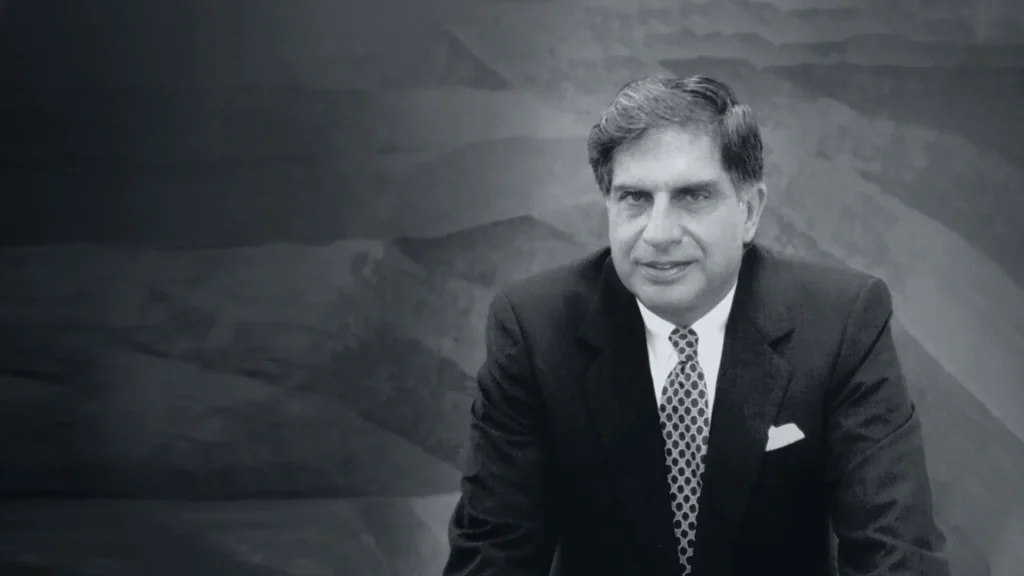
Despite immense wealth and influence, he lived with grace and compassion, proving that true leadership is characterised by humility, clarity, and courage. Unlike many, Tata forged paths where none existed, a testament to his extraordinary vision.
The Titan of Transformation
Ratan Tata’s journey was marked by transformative leadership. Under his stewardship, the Tata Group diversified into numerous sectors, from steel to automotive and IT. This expansive reach established Tata as a global leader, bringing the brand to the forefront of multiple industries.

His innovative approach included notable acquisitions like Jaguar Land Rover and Corus Steel, enhancing the Tata legacy on the world stage. Each decision he made was meticulously calculated, showcasing his ability to combine intuition with strategic foresight.
A Legacy of Social Responsibility
One remarkable aspect of Ratan Tata’s philosophy was his unwavering commitment to social responsibility. He believed in using business as a force for good, impacting the communities around him. The Tata Trusts have been pivotal in supporting education, healthcare, and rural development across India.
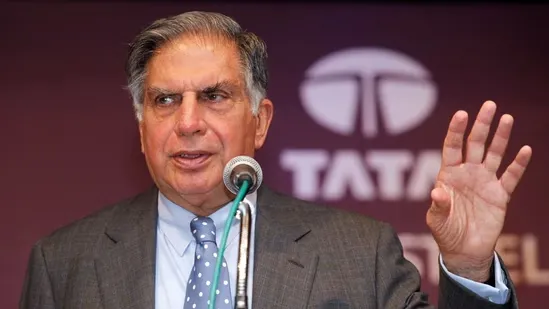
His actions were not merely business transactions; they were extensions of his belief in corporate responsibility. Tata’s legacy is not just the vast wealth he accumulated but the transformative impact he had on society.
A New Era
Ratan Tata’s leadership from 1991 to 2012 transformed the Tata Group into a conglomerate that resonated with the heart of India. Even after stepping down as chairman, his influence remained strong, guiding the company through challenges and maintaining its ethos.

His decision to return to leadership during turbulent times exemplified his commitment to the brand and its people. He once again demonstrated that true leadership does not diminish with age; rather, it evolves.
The Emotional Impact of His Legacy
Born during British rule, Tata’s journey is a story of overcoming adversity. His acquisition of British brands like Tetley and Jaguar was a psychological triumph over colonial history, signalling India’s rise on the global stage.
Despite his monumental achievements, Ratan Tata remained grounded. He preferred economy class travel and ordinary dining experiences, a testament to his humble nature.
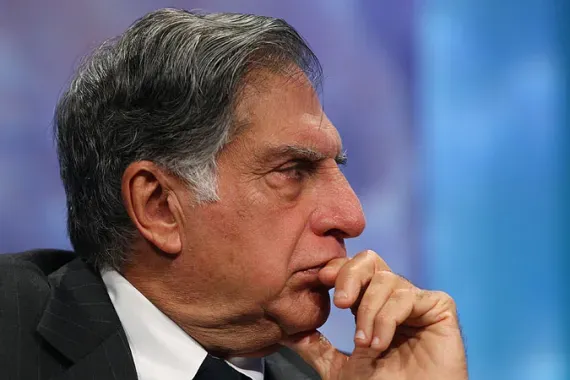
At 87, Ratan Tata’s absence from billionaire lists is telling. His wealth was not for personal gain but for the betterment of society. The substantial profits from Tata’s numerous companies were funnelled into philanthropic efforts, reflecting his belief that business should uplift the community.
Ratan Tata’s life and work will continue to inspire future generations. His legacy is one of humility, compassion, and transformational leadership, reminding us that true wealth lies not in material possessions but in the positive change we bring to the world. As we reflect on his life, we are left with a powerful lesson: greatness is not measured by riches, but by the lives we touch and the legacies we leave behind.
