


Bisleri International is facing regulatory action after the Food Safety and Standards Authority of India (FSSAI) sanctioned prosecution against the packaged drinking water company over a sample declared unsafe during laboratory testing. The regulator said the sample did not meet prescribed bromate limits and that a subsequent examination detected polynuclear aromatic hydrocarbons (PAHs).
Bisleri, however, has disputed aspects of the findings, saying that subsequent independent testing found bromate levels within the prescribed limit. The company maintains that its packaged drinking water is safe for consumption and has said it will cooperate with FSSAI.
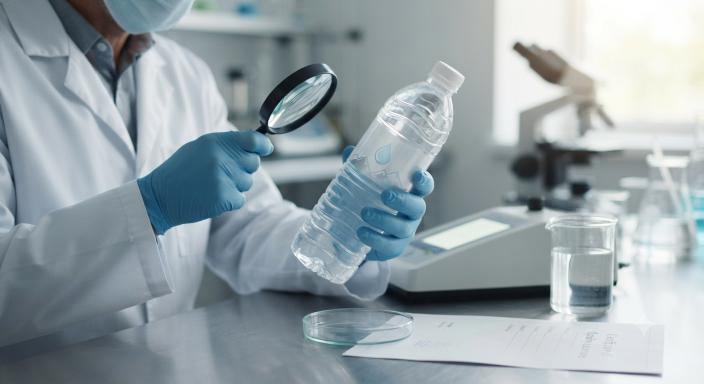
What Did FSSAI’s Tests Find?
According to the regulator, a sample of packaged drinking water, other than mineral water, was collected from Bisleri International’s premises for analysis. The initial test found bromate levels exceeding the prescribed limit, leading the sample to be declared unsafe under the Food Safety and Standards Act, 2006.
Following an appeal by the company, the sample was sent to a referral food laboratory. This laboratory also declared it unsafe after detecting PAHs. Based on the findings, FSSAI sanctioned the initiation of prosecution against Bisleri International.
Bisleri Cites Differing Laboratory Results
In its response, Bisleri said the matter relates to a batch produced at its Goa manufacturing facility in September 2025. According to the company, FSSAI collected six samples from the facility on September 30, 2025. Five met the applicable standards, while one recorded bromate levels of 12 micrograms per litre against the prescribed limit of 10 micrograms per litre.
Bisleri said it appealed against the initial finding in November 2025. The referral laboratory subsequently found bromate within the prescribed limit but separately flagged the presence of PAHs.
The company also arranged for the sample to be tested at an independent FSSAI-approved laboratory, which reportedly found bromate levels within the permitted limit. Bisleri said it submitted these results to FSSAI’s Western Regional Office on February 2, 2026, but received no further communication.
The company further stated that it had not received a prosecution notice by email or in hard copy. It said it conducts more than 90 quality tests across its 10-step manufacturing process and would continue cooperating with the regulator.
What Are Bromate and PAHs?
The findings have raised questions about the potential health risks associated with the two contaminants.
Bromate is a chemical byproduct that can form during water disinfection, particularly when ozone is used to treat drinking water. The World Health Organization (WHO) has set a provisional guideline value of 10 micrograms per litre for bromate in drinking water.
Prolonged exposure to bromate has been associated with cancer risks. The International Agency for Research on Cancer classifies it as possibly carcinogenic to humans. At much higher exposure levels, bromate poisoning can also cause nausea, vomiting, abdominal pain and kidney damage.
Polycyclic aromatic hydrocarbons (PAHs) are a group of chemicals produced mainly through the incomplete burning of organic materials such as coal, petroleum and wood. Some PAHs are known carcinogens. Certain compounds can damage DNA and potentially contribute to cancer development.
However, FSSAI has not disclosed the specific PAH compounds or their concentrations detected in the Bisleri sample. The actual health risk therefore depends on the substances present and the level of exposure.
What Does This Mean for Packaged Water Safety?
The case has brought renewed attention to quality checks and regulatory oversight in India’s packaged drinking water industry. Packaged drinking water and mineral water were classified under FSSAI’s high-risk food categories in November 2024, strengthening inspection requirements.
From January 1, 2026, a mandatory FSSAI testing scheme replaced the earlier mandatory BIS certification mechanism for packaged drinking water and mineral water. The framework requires manufacturers to maintain testing records and conduct periodic checks through notified, accredited laboratories.
The current action concerns a specific sample and does not, by itself, establish that all Bisleri products or batches are unsafe. The regulator’s findings and the company’s response highlight the importance of transparent laboratory testing, consistent quality controls and effective enforcement across the packaged drinking water sector.
