


Iran has exempted commercial vessels from India, China, Iraq and Qatar from transit restrictions in the Strait of Hormuz, according to a senior Iranian lawmaker. The announcement comes amid continuing disruptions to shipping through the strategic waterway, which connects the Persian Gulf with the Gulf of Oman.
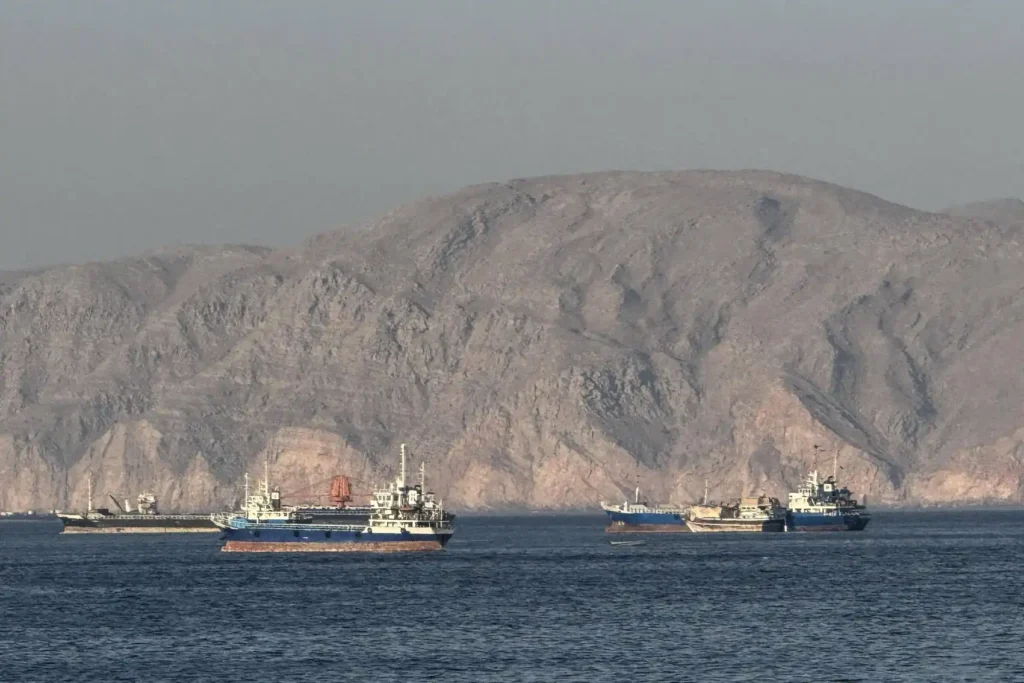
Amir Hayat Moqaddam, Deputy Chairman of the Iranian Parliament’s National Security and Foreign Policy Committee, said vessels from the four countries were permitted to pass through the strait without facing the wider restrictions imposed on other ships.
Speaking to the Iranian Students’ News Agency (ISNA), Moqaddam said the exemptions reflected Iran’s interests and arrangements with the countries concerned. He specifically linked the exemption for Indian vessels to facilitating medicine imports from India. The arrangement for Chinese ships, he said, was intended to secure Beijing’s political support.
Transit Fees and Exemptions
Moqaddam said Indian and Chinese vessels were required to pay transit fees, while Qatari ships were allowed to cross without charges. He did not clarify the fee arrangements for Iraqi vessels.
The announcement offers a degree of relief for Indian shipping at a time when commercial traffic through the Strait of Hormuz remains disrupted. However, the exemption does not amount to a complete restoration of unrestricted navigation for all international vessels.


Why the Strait of Hormuz Matters
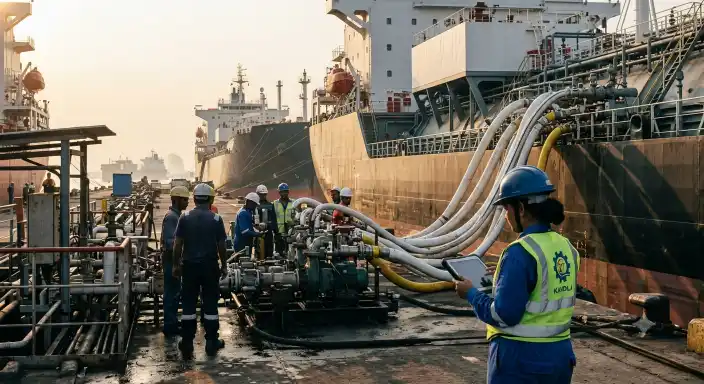
The Strait of Hormuz is one of the world’s most important maritime routes, carrying a significant share of global oil and gas shipments. Disruptions to traffic through the passage have affected energy trade and raised concerns over the safety of commercial vessels and their crews.
The ongoing conflict in West Asia has also put Indian seafarers at risk. Several Indian crew members have been killed or injured in attacks on commercial vessels in the region. India has called for an end to attacks on civilian shipping and the restoration of safe and unimpeded navigation through international waterways.
The latest exemption highlights the importance of India’s diplomatic engagement with Tehran as it seeks to protect its shipping interests and maintain access to essential supplies.
