


Telangana Unveils India’s First AI Minister
Telangana has introduced an AI-powered digital avatar of IT and Industries Minister D Sridhar Babu, marking a new step in the use of artificial intelligence for public engagement. The avatar made its first live appearance at DevFest 2026, organised by Google Developer Group (GDG) Hyderabad on October 24.
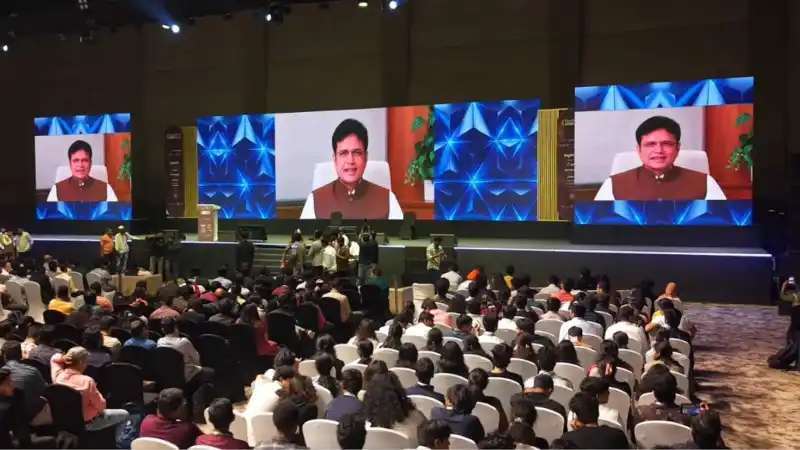
Described as a pre-Artificial General Intelligence (pre-AGI) digital twin, the AI avatar interacted with young participants and answered questions about Telangana’s vision, priorities and technology-led growth in English and Telugu. The event brought together more than 3,300 developers, students, engineers, architects and startup founders.
TensorGo Develops AI Avatar Using HumAIn
The digital twin was developed by TensorGo using its HumAIn platform under the guidance of Sai Krishna, IT adviser to the minister. The initiative aims to explore how AI can help public representatives connect with a wider audience and understand issues faced by citizens.
The launch marks the first phase of the project. In the next phase, the government plans to allow citizens to interact with the AI avatar, share feedback and submit grievances. Officials also expect the initiative to provide insights into governance-related concerns at the grassroots level.
Telangana Pushes Towards Becoming an AI Hub
The launch aligns with Telangana’s ambition to strengthen its position as a global artificial intelligence hub. Speaking about the state’s technology vision, Sridhar Babu highlighted the importance of giving students, startups and young developers opportunities to turn ideas into practical solutions.
DevFest 2026 was held under the theme “Build, Secure, Scale: Developers and Builders in the Agentic Era.” The event featured hands-on sessions led by industry experts, technology demonstrations and opportunities for participants to connect with companies and recruiters.
The AI minister initiative highlights the potential of digital avatars to support communication between governments and citizens. Its effectiveness will depend on how the planned feedback and grievance features are implemented and integrated into governance processes.
