


Israeli Prime Minister Benjamin Netanyahu has called for Israel to strengthen its strategic partnerships with countries including India and nations in Latin America, warning that a future US administration could take a hostile approach towards Israel. He made the remarks while presenting his security doctrine on October 18, nine days before Israel’s October 27 election.
Netanyahu said Israel should use the remaining years of US President Donald Trump’s current term to reinforce its position while preparing for a possible shift in American policy. He warned that a future US president, regardless of gender, could be hostile towards Israel, raising questions about how the country would manage its relationship with Washington.
India Among Countries in Israel’s Alliance Strategy
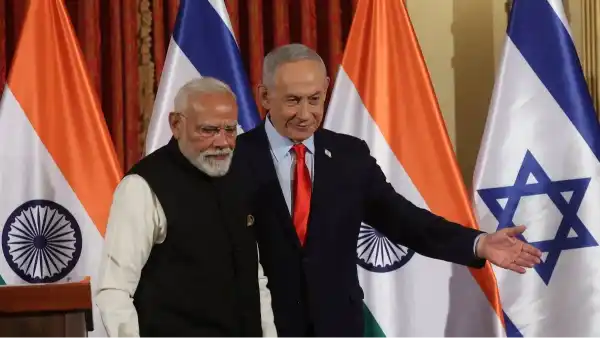
Netanyahu said Israel was working to build alliances with countries both within and beyond its region. He specifically mentioned India, describing it as an important country for Israel’s broader diplomatic strategy.
He also pointed to political changes in Latin America, including possible developments in Brazil, as opportunities to expand Israel’s international partnerships. Netanyahu said Israel needed to widen its network of allies and develop capabilities that would make it valuable to other countries.
India and Israel have developed closer ties across areas including defence, technology, agriculture and trade. Netanyahu has previously highlighted his relationship with Prime Minister Narendra Modi as evidence of the strength of the bilateral partnership.
Trump’s Support and Uncertainty Over Future US Policy
Netanyahu’s remarks came hours before Trump publicly backed his re-election bid. The Israeli leader stressed the importance of strengthening ties with the United States during the remainder of Trump’s presidency while preparing for the possibility of a different approach under a future administration.
His comments reflect concerns about the long-term stability of US support for Israel, particularly amid differences between Netanyahu and previous Democratic administrations.
Opposition Questions Netanyahu’s Security Doctrine
Gadi Eisenkot, Netanyahu’s main challenger in the upcoming election, criticised the presentation, calling it a political exercise rather than a substantive national security strategy. Eisenkot argued that the document lacked concrete measures to address Israel’s security challenges.
Netanyahu’s proposal places greater emphasis on diversifying Israel’s international partnerships as a way to prepare for potential changes in US policy. However, the announcement did not outline specific new agreements with India or Latin American countries, leaving the details of any future cooperation to subsequent diplomatic discussions.
