


Ukraine is holding talks with India, Turkey and Egypt to restore safe navigation through the Black Sea, particularly for agricultural exports, Ukrainian President Volodymyr Zelenskyy has said. The proposal aims to resume commercial grain shipments after attacks on port infrastructure and vessels disrupted maritime trade.
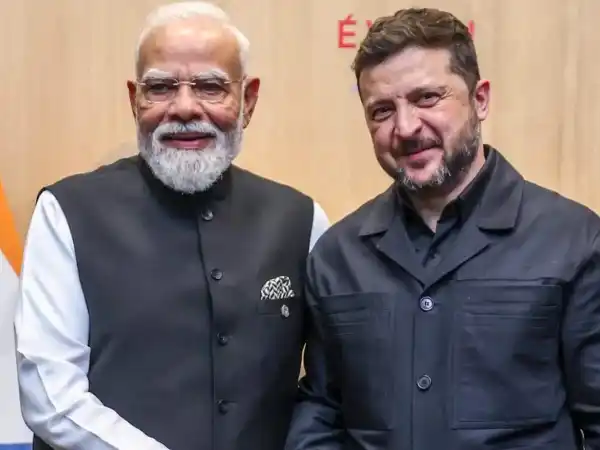
According to Zelenskyy, the three countries have proposed arrangements to allow vessels sailing under their flags to transport food cargoes to and from Ukrainian and Russian ports. The proposal would involve reciprocal assurances that these vessels would not be targeted. However, Russia has opposed the plan, Zelenskyy said in an interview with Bloomberg News.
Black Sea Ports Critical to Ukraine’s Grain Trade
Ukraine’s Black Sea ports are a major route for its agricultural exports. Zelenskyy said the ports could handle up to 40 million tonnes of grain during a marketing season, a volume that cannot be transported entirely by rail.
Shipments were halted in August following Russian air attacks on port infrastructure and vessels, according to the report. Ukraine’s Agriculture Ministry estimated that the country was exporting only 38% of its regular volumes at the time of the report.
The disruption has increased pressure on Ukraine to secure alternative shipping arrangements and maintain access to international food markets.
Ukraine Seeks Revival of EU Export Routes
Alongside the Black Sea proposal, Kyiv has asked the European Union to revive its solidarity lanes programme. Introduced after Russia’s full-scale invasion in 2022, the initiative enabled Ukrainian grain to move through European rail networks and ports when maritime exports were severely restricted.
Ukraine has said that restoring these routes would help ease logistical constraints and support the movement of agricultural products to international buyers.
Implications for India and Global Food Security
India’s involvement places it among the countries engaged in discussions on securing commercial shipping through a strategically important grain-export corridor. Any arrangement would depend on negotiations among the countries involved and assurances that vessels could operate safely.
The outcome could affect the movement of grain into global markets, particularly for import-dependent countries across Asia, Africa and the Middle East. However, no agreement to reopen the Black Sea corridor has been announced, and the proposal faces continued opposition from Russia.
