


US Secretary of State Marco Rubio is scheduled to visit India from October 18, with energy cooperation and investment expected to feature prominently in discussions with Indian officials and business leaders. The visit comes at a time when India and the United States are working to strengthen economic ties while negotiations on a bilateral trade agreement remain unresolved.
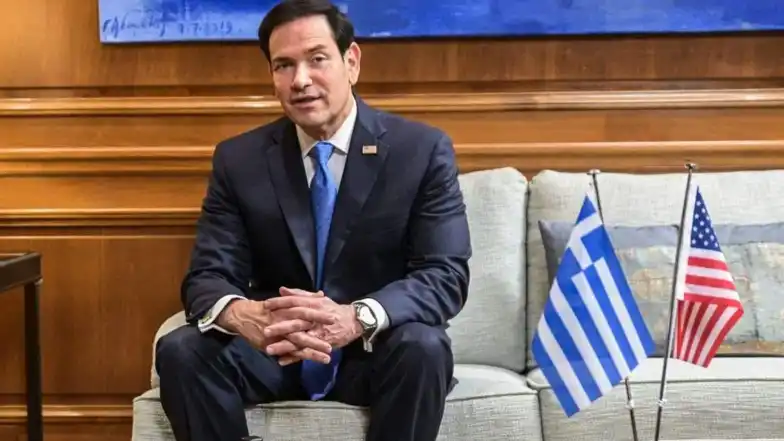
Rubio’s India itinerary includes Mumbai and Jamnagar in Gujarat, home to Reliance Industries’ major oil refining complex. His visit is part of a wider trip from October 17 to 22 that also includes Samarkand in Uzbekistan. According to the US State Department, the discussions in India will cover the strategic partnership, regional and global developments, and prospects for enhanced energy cooperation.
Investment and commercial engagement are also expected to be important parts of the visit. Rubio is scheduled to meet business leaders to explore opportunities for economic cooperation between the two countries. The visit comes amid interest in expanding energy and industrial investments, including Reliance Industries’ plans for a new refinery in Texas.
Energy security remains a key issue in bilateral relations. India is awaiting a US decision on a potential waiver concerning Russian oil imports, as Washington’s sanctions framework raises questions about countries continuing to purchase Russian energy. Any decision could have implications for India’s energy sourcing and broader economic relationship with the US.
Meanwhile, negotiations on the India-US trade agreement have faced differences over tariffs, market access and the treatment of sensitive domestic sectors. Indian External Affairs Minister S. Jaishankar recently said the talks were moving towards a possible resolution, although a final agreement has not been announced. US Ambassador to India Sergio Gor has also indicated that the two sides have resolved several major issues.
Rubio’s visit is expected to provide another opportunity for both countries to discuss outstanding trade concerns and strengthen cooperation in energy and investment. The outcome of the discussions could help clarify the direction of bilateral economic engagement, though the timing of a final trade agreement remains uncertain.
