


The completion of India’s Western Dedicated Freight Corridor (WDFC) is set to give a major boost to the country’s logistics and freight infrastructure, with Maharashtra Chief Minister Devendra Fadnavis saying the corridor could help bring India’s logistics cost down to around 7%.
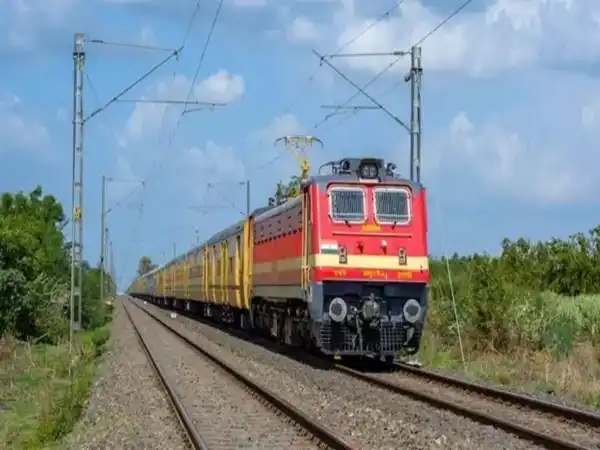
Prime Minister Narendra Modi inaugurated three key sections of the WDFC on Tuesday, completing the corridor connecting Jawaharlal Nehru Port (JNPT) in Navi Mumbai with Dadri in Uttar Pradesh. The corridor stretches for around 1,500 km and passes through Haryana, Rajasthan and Gujarat before reaching Maharashtra.
Fadnavis said the reduction in logistics costs would help Indian businesses compete more effectively with China and strengthen India’s position in global supply chains.
A key feature of the corridor is the operation of double-stack container trains, allowing significantly larger volumes of cargo to be transported by rail. According to Fadnavis, a single freight train can carry cargo equivalent to around 250 trucks.
The dedicated rail route is also expected to sharply reduce freight transit times. Movement of goods that currently takes around three days by road could be completed in roughly 12 hours through the freight corridor, according to Fadnavis. Electric freight trains are also expected to reduce fuel consumption and emissions.
The completed WDFC strengthens rail connectivity between major industrial centres and ports, while easing pressure on the existing railway network. Along with the Eastern Dedicated Freight Corridor, it forms a major backbone for high-capacity freight movement across India.
For Maharashtra, the corridor is particularly significant because it terminates at JNPT, one of the country’s key container ports. Fadnavis said JNPT could handle more than one million TEUs of container cargo annually within the next two years.
The project is expected to benefit manufacturing and export-oriented industries by making cargo movement faster and more efficient. It could also improve the competitiveness of import-dependent businesses and support employment and industrial activity.
With dedicated freight infrastructure expanding across the country, the WDFC marks another major step towards building a faster, more efficient and globally competitive Indian logistics network.
