


Nepal has formally sought financial support from the UN-backed Fund for Responding to Loss and Damage following devastating floods, putting the newly established climate-aid system to a major test.
The request follows a catastrophic glacial flood on August 26 that caused extensive loss of life and widespread damage to infrastructure. Nepal’s government has estimated direct losses at around $2.56 billion, while reconstruction costs could reach $4–5 billion.
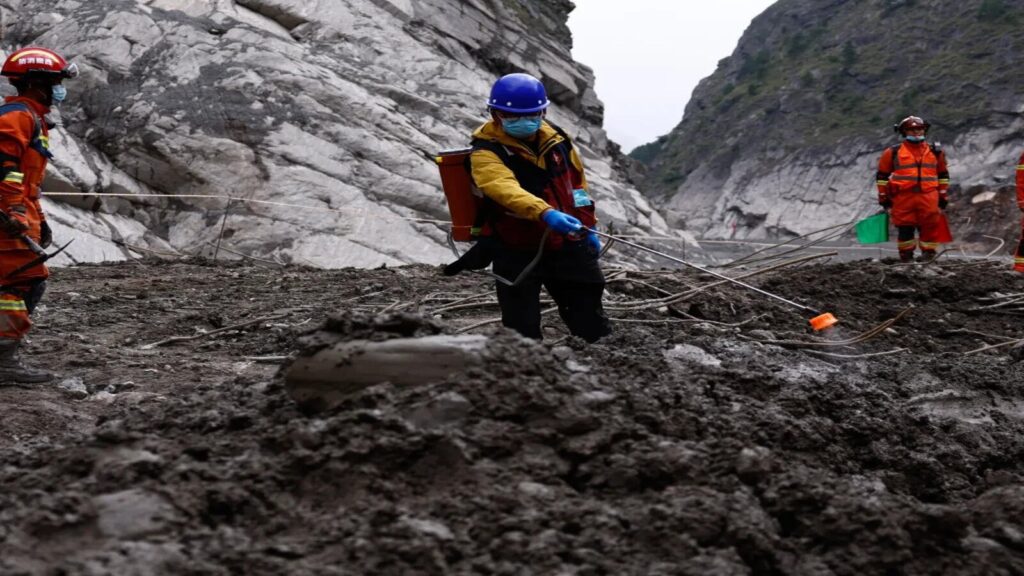
Nepal sent a letter to the fund’s co-chairs on September 1, seeking immediate support and arguing that international climate commitments must translate into concrete assistance for countries facing the worst impacts of climate change.
The case is significant because the Loss and Damage Fund has yet to make a payment to any country, making Nepal’s request an important test of whether the mechanism can respond quickly to sudden climate disasters.
The fund was created to help particularly vulnerable developing countries respond to economic and non-economic losses caused by climate change, including extreme weather events and slow-onset impacts.
Nepal’s appeal also brings the issue of climate justice into sharper focus. The country contributes only a small share of global greenhouse-gas emissions but faces growing risks from floods, glacier-related disasters and other climate impacts.
The decision on Nepal’s request could set an important precedent for how quickly and effectively the global climate-finance system delivers support to vulnerable nations after major disasters.
Nepal requests compensation from the UN Loss and Damage Fund following catastrophic glacial floods, putting the new global climate-finance mechanism to its first major test
