


Tata Group leadership changes are being accompanied by renewed discussions with regulators, with Tata Trusts Chairman Noel Tata set to meet senior Reserve Bank of India officials before the end of August over the future status of Tata Sons.
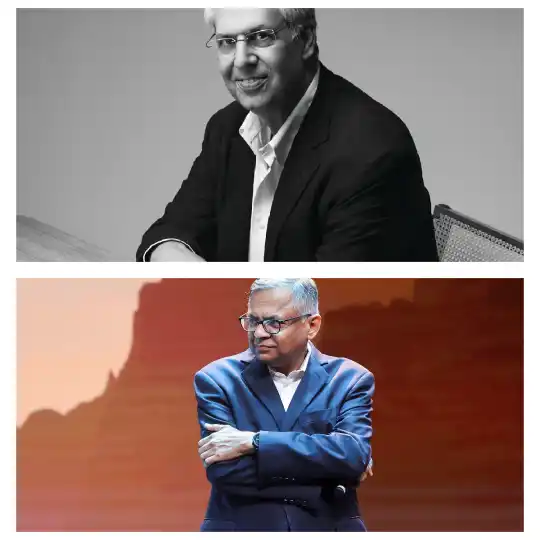
According to sources familiar with the matter, the discussions are expected to focus primarily on retaining Tata Sons as an unlisted company. The proposed meeting comes shortly after Tata Sons Chairman N Chandrasekaran announced on August 12 that he would step down from the position in February next year.
Noel Tata, who represents Tata Trusts, the majority shareholder in privately held Tata Sons, is expected to take a more direct role in discussions with the RBI regarding the listing issue.
Noel Tata To Take Lead In RBI Discussions
Until now, Tata Sons executives, including some board members, have been involved in discussions with the regulator regarding the company’s listing. Noel Tata had not been directly involved in the negotiations to the same extent.
Sources said that is expected to change, with Noel Tata likely to lead the group’s engagement with the RBI on the issue. He is reportedly keen to resolve the uncertainty surrounding the listing of Tata Sons at the earliest.
Noel Tata had earlier written to the RBI expressing his intention to retain Tata Sons as an unlisted entity, according to reports. An email seeking comments from Noel Tata and the RBI on the proposed meeting remained unanswered at the time of publication.
Three-Year Listing Issue Remains Unresolved
Tata Sons was classified as an upper-layer non-banking financial company by the RBI in 2022. Under the regulatory framework, the company was required to list within three years, with the deadline ending in September 2025.
However, the RBI has reportedly considered allowing Tata Sons to remain unlisted, provided there is unanimous agreement within the Tata Group on retaining its private status.
Tata Sons has also taken several steps to strengthen its position before the regulator. The holding company has repaid its external debt, particularly borrowings from banks, and has committed not to take on fresh debt that could subsequently be lent to group companies.
The company has also assured the RBI that it will not provide fee-based guarantees for borrowings taken by its group companies.
Tata Sons Seeks Deregistration As NBFC
A key factor in the listing debate is Tata Sons’ request to have its classification as a Core Investment Company and NBFC removed.
In December 2024, Tata Sons submitted an undertaking to the regulator that it would not undertake activities that could be considered financial services. Its application for deregistration as an NBFC-CIC is still awaiting RBI approval.
If the RBI accepts the request and removes Tata Sons from the relevant NBFC classification, the regulatory requirement to list the company could also fall away.
Chandrasekaran’s Exit Adds Urgency
The leadership transition at Tata Sons has added another layer of urgency to the issue. Chandrasekaran is expected to complete his tenure in February 2027 after deciding not to seek a third term.
Tata Trusts has already begun the process of identifying his successor and plans to establish a selection committee to recommend the next Chairman of Tata Sons.
With a new leadership team likely to take charge early next year, Noel Tata is reportedly keen to resolve the long-running listing question before the transition is completed.
SP Group Stake Also Part Of The Equation
The future of the Shapoorji Pallonji Group’s stake in Tata Sons could also feature in discussions surrounding the company’s ownership structure.
SP Group holds around 18% of Tata Sons and has been seeking liquidity through options including a potential IPO or share buyback. The group’s debt was reportedly around ₹60,000 crore as of March 31, 2026.
Sources said discussions on an eventual exit plan for the SP Group stake are still at an early stage. However, the matter could come up if RBI officials raise questions about the broader ownership and liquidity structure of Tata Sons.
For Noel Tata, the immediate priority appears to be bringing clarity to Tata Sons’ regulatory status, particularly whether the conglomerate’s holding company can continue operating as an unlisted entity.
