


India should aim to field an operational hypersonic cruise missile by 2035, according to former DRDO Chairman G. Satheesh Reddy. His call comes after a series of advances in India’s indigenous scramjet technology.
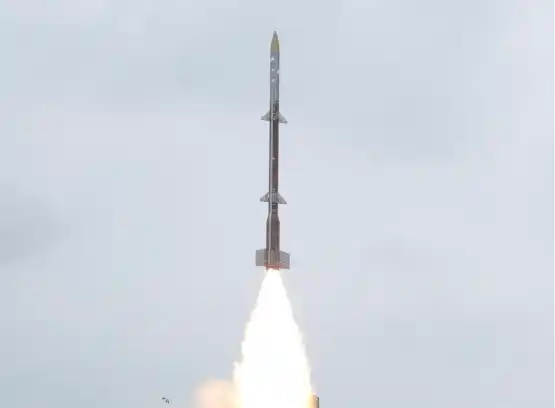
The Defence Research and Development Organisation (DRDO) has made significant progress with its actively cooled full-scale scramjet combustor. In May 2026, the Defence Research & Development Laboratory (DRDL) achieved a runtime of more than 1,200 seconds at its Scramjet Connect Pipe Test facility in Hyderabad. The test followed an earlier run of more than 700 seconds in January.
A scramjet is an air-breathing propulsion system designed to sustain combustion at supersonic speeds. The technology is considered a key component for hypersonic cruise missiles, which can travel at speeds above Mach 5. DRDO’s development programme is aimed at creating an indigenous system capable of sustained hypersonic flight.
Reddy has urged scientists, defence organisations and industry partners to accelerate development so that India can move from successful ground demonstrations to an operational weapon system within the proposed 2035 timeframe.
The latest progress builds on India’s wider hypersonic technology programme. DRDO has also been working with Indian industry on propulsion, advanced materials, thermal management and other technologies needed for sustained high-speed flight.
The development is part of India’s broader effort to build advanced missile capabilities domestically and reduce dependence on imported defence technology. The May scramjet test was described by the Defence Ministry as a foundation for India’s Hypersonic Cruise Missile Development Programme.
India is also pursuing other advanced missile programmes. In June 2026, DRDO successfully flight-tested the indigenous Long Range Land Attack Cruise Missile, demonstrating progress in developing long-range precision-strike systems with Indian technologies.
The proposed 2035 timeline would therefore represent the next major phase for India’s hypersonic programme, moving from propulsion and ground testing towards flight trials, system integration and eventual operational deployment.
