


Mukesh Dhirubhai Ambani stands among India’s most influential business leaders. As the Chairman and Managing Director of Reliance Industries Limited, he is also counted among the wealthiest individuals globally. His journey is closely tied to the legacy of his father, Dhirubhai Ambani, a self-made entrepreneur who built his empire from the ground up.
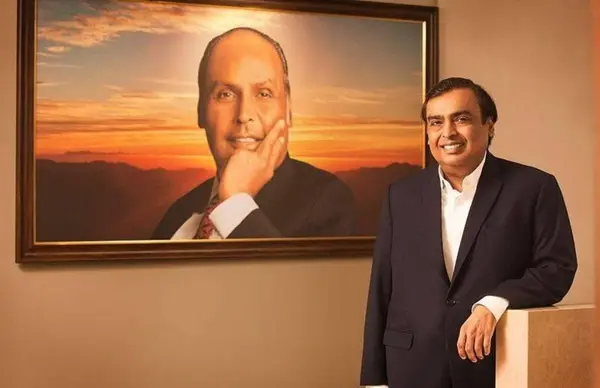
A Father’s Lesson on What Makes an Entrepreneur
Mukesh Ambani once recalled a defining piece of advice from his father:
“If you want to become an entrepreneur, you must figure things out on your own. Only managers are told what to do, not entrepreneurs.”
At its core, this statement draws a clear line between managing and creating. Managers operate within structure, following defined instructions. Entrepreneurs, on the other hand, are expected to define the structure itself, decide the direction, and take responsibility for outcomes.
What the Idea Really Means
The message behind this philosophy is simple but demanding. Entrepreneurs are not given ready-made instructions. They are expected to observe problems, interpret opportunities, and build solutions from scratch.
Unlike employees who may rely on guidance, entrepreneurs must rely on judgment. Every decision carries ownership, and every outcome reflects their choices. This independence is both the strength and the burden of building something new.
Dhirubhai Ambani’s lesson to his son was essentially about preparation for uncertainty. If one aims to create something of their own, waiting for direction is not an option. Action, accountability, and self-trust become essential tools.
Why This Thinking Still Matters Today
The modern startup ecosystem in India reflects both ambition and hesitation. While many young people aspire to build businesses, a large number still look for constant validation or step-by-step guidance.
This creates a gap between intention and execution. Entrepreneurship demands the opposite approach—clarity formed through action rather than waiting for perfect clarity before starting.
In a fast-changing environment, the ability to think independently has become more valuable than ever. Those who depend entirely on instructions often end up working under those who are willing to decide without them.
Key Lessons from the Idea
The philosophy behind this quote offers several lasting lessons:
Entrepreneurship begins when you stop waiting for instructions and start taking responsibility.
Problem-solving is a skill developed through experience, not something you are born with.
Mistakes are part of ownership, and learning comes from taking accountability for them.
Clarity often follows action, not the other way around.
Entrepreneurial thinking is not limited to business owners; it applies to any situation that requires initiative.
How to Apply This Mindset
Building this mindset requires consistent practice:
Start by solving problems independently instead of immediately seeking answers.
Take small, everyday decisions without over-reliance on external approval.
Act before everything feels perfectly planned.
Learn from people who have built solutions where none existed before.
Accept uncertainty as part of growth rather than something to avoid.
Own both success and failure without shifting responsibility.
At its heart, the lesson is not just about business. It is about developing the confidence to act without waiting for permission. Building something meaningful often begins with a simple decision to stop being told what to do and start deciding it yourself.
