


Taiwanese electronics manufacturer Foxconn has sold its electric vehicle (EV) manufacturing facility in Lordstown, Ohio, to Crescent Dune LLC for $88 million. Regulatory filings confirm that Foxconn, which describes Crescent Dune as an existing business partner, will continue EV production at the site without interruption. The company intends to reinvest the proceeds from the sale into its expansion of EV and advanced manufacturing operations within the United States.
This move aligns with Foxconn’s broader U.S. growth strategy: liquidating the asset while maintaining operational access, repositioning for greater flexibility in product lines, and doubling down on EV and manufacturing ambitions.
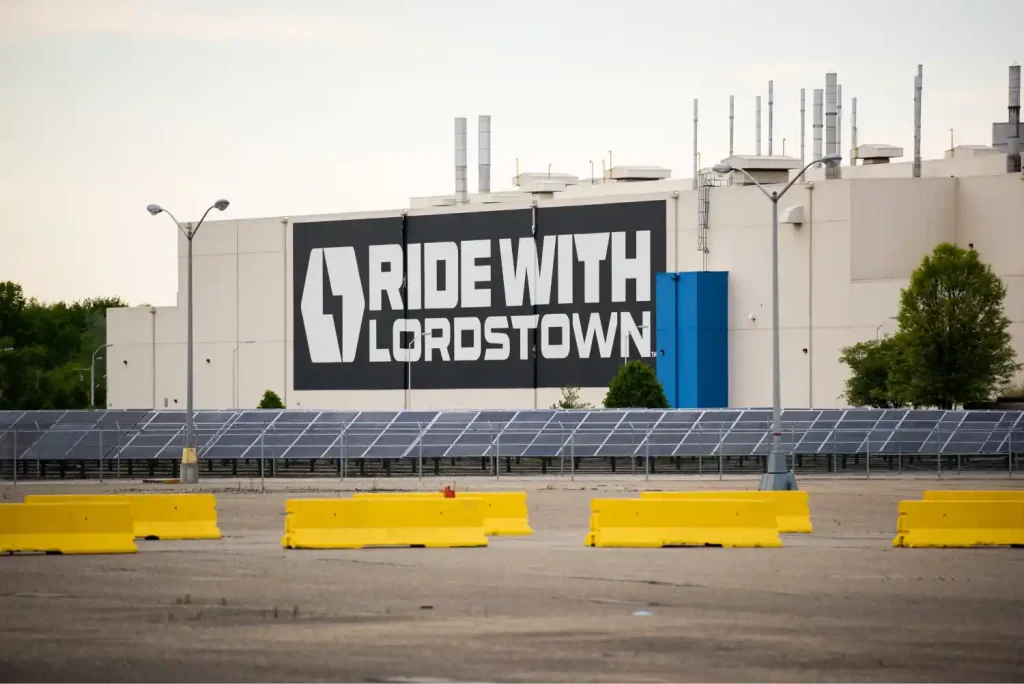
Foxconn originally acquired the Lordstown plant in 2022 from now-bankrupt Lordstown Motors for $230 million, as part of its entrance into EV production in North America. At that time, the plant was central to a joint venture with Lordstown Motors and intended to build electric pickup trucks like the Endurance and Fisker PEAR models . Over time, the partnership collapsed—Lordstown went bankrupt, and Foxconn abandoned the joint EV production plans. The shift in focus led Foxconn to sell the facility again in mid‑2025 for $375 million, though retaining operational occupancy.
Strategic shift
Foxconn retains operational control of the Lordstown facility while divesting ownership, suggesting a strategy to free capital without disrupting production
- By selling assets to reorganize its footprint, Foxconn can re-invest in broader manufacturing and EV tech capabilities across the U.S.
- The move signals a pivot: while Foxconn maintains commitment to automotive contracts, its long‑term emphasis appears shifting toward AI, cloud infrastructure, and server manufacturing expansion
Foxconn’s recent sale of the Lordstown plant, coupled with continued site occupancy, underscores a strategic rebalancing. The company is monetizing real estate while keeping production alive, freeing up capital to fund its expanding footprint in EV production and advanced U.S. manufacturing sectors. This move fits into broader corporate goals: reallocating assets for maximum agility, and shifting toward AI/cloud infrastructure and resilient EV partnerships across North America.
