


Mumbai has launched its first dedicated School of Nuclear Science and Technology at HSNC University, marking a new step in specialised scientific education. The initiative aims to prepare students for careers in nuclear science, energy research and related technological fields through undergraduate and postgraduate programmes.
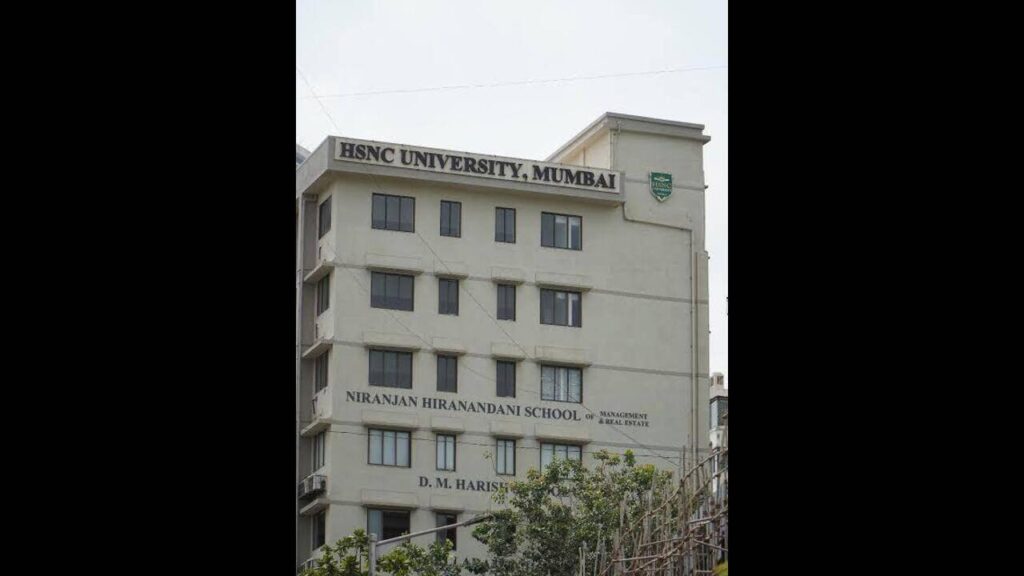
The school began functioning in phases at the university’s Worli campus during the inauguration of the Indian Nuclear Society’s annual conference. HSNC University Vice-Chancellor Hemlata Bagla said the institution had started operations and would gradually expand its academic activities.
BSc and MSc Programmes in Nuclear Science
The new school will offer Bachelor of Science (BSc) and Master of Science (MSc) programmes in Nuclear Science and Technology. The courses are intended to build a scientific foundation for students interested in nuclear research and the wider atomic energy sector.
The university already has an academic base in this field through its Nuclear Radiochemistry Department at KC College, established in 1997. The new school builds on this foundation and expands its focus on nuclear science education.
Plans for Research Collaborations
HSNC University plans to collaborate with major national institutions, including the Bhabha Atomic Research Centre (BARC), the Department of Atomic Energy and the Atomic Energy Regulatory Board. It will also explore partnerships with international organisations such as the International Atomic Energy Agency (IAEA).
These collaborations are expected to provide students with greater exposure to scientific research, institutional expertise and emerging opportunities in the nuclear sector. Details regarding the number of seats, admission schedule and detailed curriculum are yet to be announced.
India’s Growing Nuclear Energy Ambitions
The launch comes as India works towards its target of achieving 100 GW of nuclear power capacity by 2047. Expanding the availability of trained scientists, engineers and technical professionals will be important to support this ambition.
Former Atomic Energy Commission chairman Anil Kakodkar, speaking at the conference, highlighted the role of nuclear energy in meeting India’s future energy requirements. He also pointed to the potential of emerging technologies, including micro reactors and fusion reactors, in the country’s nuclear research landscape.
The new school is expected to strengthen Mumbai’s academic ecosystem by creating a formal pathway for students seeking opportunities in nuclear science, research and technology.
