


A Gujarat-based startup, Techofest Global, has developed a technology to produce bioethanol from waste human hair, offering a potential alternative to conventional feedstocks such as grains, sugar and agricultural residues. The company is developing the process with Biomakerz, a biotechnology venture with experience in biorefinery processes.
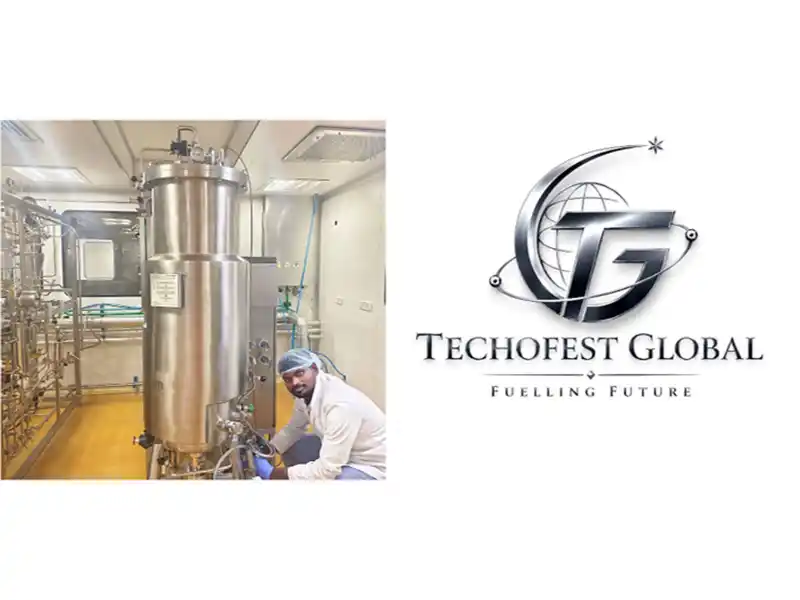
The startup describes the technology as a fifth-generation, or 5G, bioethanol process. It is designed to convert waste materials into fuel while reducing competition between biofuel production and food or livestock-feed supplies.
Pilot Trials Underway
Techofest Global and Biomakerz report that they have tested the process at a research and development pilot facility with a capacity of around 100 litres. The companies are working towards commercialisation, but large-scale production and commercial viability have not yet been established.
The startup’s portfolio also includes a process to produce bioethanol from used cooking oil and a system to enrich biomethane produced from discarded sanitary napkins. These technologies are intended to recover value from waste streams that may otherwise require disposal.
Reducing Dependence on Food-Based Feedstocks
India’s ethanol-blending programme has increased demand for ethanol made from agricultural feedstocks, including maize and rice. However, rising grain and sugar prices have intensified concerns over competition between fuel production, food consumption and livestock feed.
The government recently excluded ethanol made from sugarcane juice, sugar syrup and B-heavy molasses from oil marketing companies’ procurement for the 2026–27 supply year, citing concerns over domestic sugar availability. Grain-based ethanol remains part of the procurement framework.
A waste-based process could offer another feedstock option if it can be produced at scale and at a competitive cost. Converting human hair into bioethanol may also help create a use for a waste material generated by salons and other sources.
Patented Process Aims to Improve Efficiency
According to the startup, its proprietary 5G SAFE process uses a single-stage saccharification step followed by fermentation and achieves 85–90% biocatalyst recovery. These performance figures are company-reported and have not been independently verified in the available material.
The company says its technology is intended to avoid some of the cost and processing challenges associated with conventional second-generation bioethanol production. Further validation will be needed to establish production yields, energy requirements, operating costs and the ability to handle large volumes of waste hair.
Commercialisation Will Be the Next Test
The technology’s wider adoption will depend on the results of pre-commercial trials, the cost of collecting and processing waste hair, regulatory requirements and the quality and quantity of ethanol produced. It would also need to demonstrate that the fuel can meet the specifications required for blending and industrial use.
If successfully scaled, waste-based bioethanol could complement grain- and sugar-based production and contribute to a more diversified biofuel feedstock mix. For now, Techofest Global’s initiative remains a developing technology rather than an established source of commercial fuel.
