


Neville Tata, a member of the third generation of the Tata family, has come into the spotlight amid an ongoing dispute within the Tata Trusts over governance, trustee appointments and the future of Tata Sons. The developments have drawn attention to his growing role within the family’s business and philanthropic network.
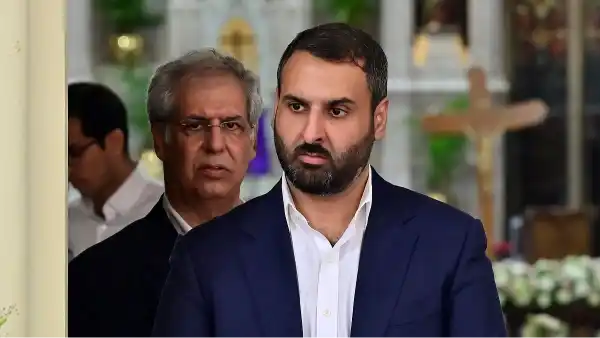
Who Is Neville Tata?
Neville Tata is the son of Noel Tata, chairman of Tata Trusts, and belongs to the family behind the Tata Group. His involvement in the trusts has become a subject of public attention following questions raised by fellow trustees about governance and appointments.
The Sir Dorabji Tata Trust (SDTT), where Neville serves as a trustee, holds approximately 28% of Tata Sons, the holding company of the Tata Group. This makes the trust a key stakeholder in decisions affecting the wider conglomerate.
Why Is Neville Tata in the News?
The current controversy centres on complaints filed by trustees Venu Srinivasan and Vijay Singh with the Maharashtra Charity Commissioner. Their objections include questions about Noel Tata’s position within the trusts and Neville’s appointment as a trustee.
On October 7, 2026, Noel and Neville Tata filed caveats in the Bombay High Court and Mumbai City Civil Court. These precautionary legal filings seek to ensure that they are heard before any orders are passed in proceedings arising from the complaints.
The Charity Commissioner has given the trust additional time, until October 19, to submit its response. The issues remain under consideration, and the allegations have not been established as findings of wrongdoing.
How Is the Tata Sons Listing Connected to the Dispute?
The disagreement also reflects differences among trustees over whether Tata Sons should remain privately held or move towards a stock market listing. The issue gained significance after the Reserve Bank of India declined Tata Sons’ request for an exemption from listing requirements.
Noel Tata and trustees Darius Khambata and Bhaskar Bhat have opposed the position taken by Srinivasan and Singh on the listing issue. The disagreements have raised broader questions about the relationship between the trusts, their role as shareholders and the governance of Tata Sons.
The developments have placed Neville Tata’s role under greater scrutiny as the Tata family’s next generation takes on responsibilities within its business and philanthropic institutions. The outcome of the proceedings could influence discussions around trustee governance and decision-making within the trusts.
