


Smartphones in India may soon be able to connect directly to satellites, even in areas where mobile networks are unavailable. The Telecom Regulatory Authority of India (TRAI) has proposed new rules to make satellite connectivity possible on regular smartphones.
In its recommendations released on November 5, TRAI suggested that the government encourage smartphone manufacturers to include the necessary technology in future mobile phones sold in India.
The proposal aims to help people stay connected in remote villages, mountains, forests and other places where mobile towers are not available.
How Will Satellite Connectivity Work?
Currently, smartphones mainly depend on mobile towers for calls, messages and internet services.
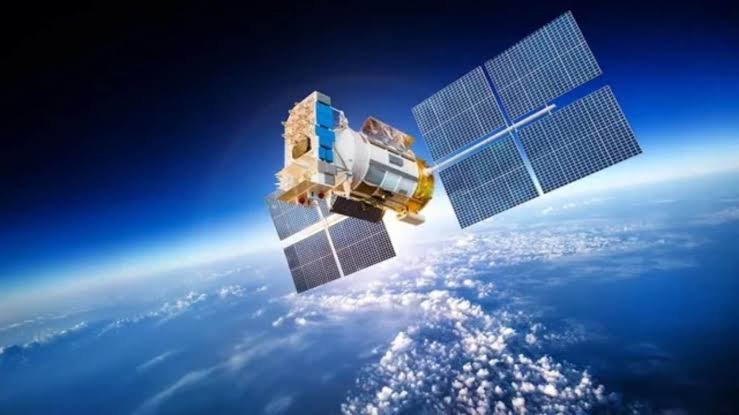
Under TRAI’s proposal, compatible smartphones could connect directly to satellites without depending on nearby mobile towers.
This technology is called Direct-to-Device (D2D) satellite connectivity.
TRAI has suggested two methods for providing this service.
The first method uses special satellite frequencies known as L-band and S-band. Smartphones will need suitable hardware to support these frequencies.
The second method allows satellites to use certain frequencies already assigned to mobile network operators.
These include the 600 MHz, 700 MHz, 800 MHz, 900 MHz, 1,800 MHz and 2,100 MHz bands.
This could help telecom companies provide satellite services through their existing mobile networks, subject to technical and regulatory conditions.
Will Existing Smartphones Support This Feature?
Not all smartphones will automatically support satellite connectivity.
Phones will need compatible hardware, antennas and network support to communicate with satellites.
TRAI has recommended that manufacturers include the required components in future smartphones.
However, the regulator has not made satellite connectivity compulsory for all phones.
It has also not announced any deadline for smartphone companies to introduce this technology.
What About iPhones and Google Pixel Phones?
Apple and Google already offer satellite-based emergency features on selected smartphones in some countries.
Apple introduced Emergency SOS via satellite with the iPhone 14 series. Google introduced a similar feature with supported Pixel 9 models.
These services help users contact emergency services when regular mobile networks are unavailable.
TRAI’s proposal could support the future introduction of similar features in India.
However, existing iPhones and Pixel phones will not automatically receive satellite connectivity. Availability will depend on hardware compatibility, satellite partnerships and government approvals.
Telecom Companies Could Partner with Satellite Operators
TRAI has also proposed a framework that would allow satellite network companies to work with authorised telecom operators.
Under this system, satellite companies would provide the necessary network infrastructure, while telecom operators would offer services to customers.
The proposal could help improve communication in areas with poor mobile coverage and provide an additional option during emergencies.
What Happens Next?
TRAI has submitted its recommendations to the Department of Telecommunications for consideration.
The government must review and approve the proposals before the new framework can be introduced.
If implemented, the plan could help expand mobile connectivity across India, especially in remote areas where building traditional mobile towers is difficult.
For now, satellite connectivity on regular smartphones remains a proposal, and its availability will depend on future government decisions and technology support.
