


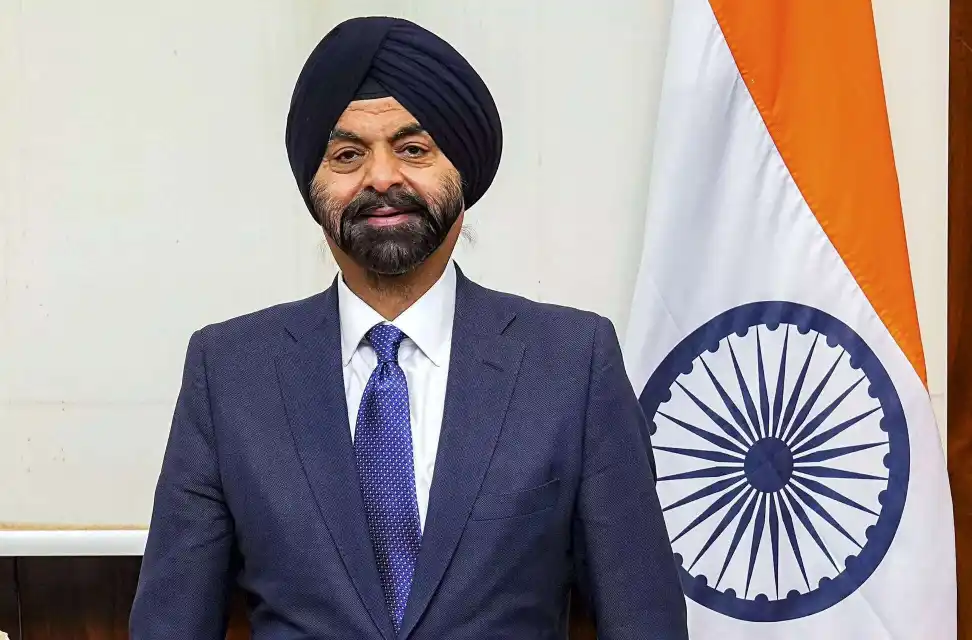
India has emerged as one of the leading sources of private capital mobilised by the World Bank Group, alongside the United States and the United Kingdom, according to World Bank Group President Ajay Banga. Speaking at the institution’s annual meetings in Bangkok on October 16, Banga highlighted the growing participation of investors from across the world in financing development projects.
The World Bank Group mobilised $112 billion in private capital in fiscal year 2026, compared with approximately $35 billion in FY22. Investors from 110 countries contributed to the funding, reflecting a broader international pool of capital for development initiatives. Banga did not disclose a country-wise breakdown of the investments.
Infrastructure and Energy Lead Investment
Including its own financing, the World Bank Group’s total financing exceeded $230 billion in FY26. Nearly 55% of its financing and the private capital it mobilised went towards sectors including infrastructure and energy, agribusiness, healthcare, tourism and value-added manufacturing.
These sectors are central to the institution’s strategy of supporting productivity, expanding business opportunities and creating jobs in developing economies. The group is also using financial tools such as guarantees, equity investments and local-currency financing to reduce investment risks and encourage private investors to participate in development projects.
Investment Mobilisation Expands Across Regions
The World Bank Group reported that private capital mobilisation nearly tripled in lower-middle-income countries and more than quadrupled in upper-middle-income countries between FY22 and FY26. Across Africa, the amount more than doubled.
However, mobilisation remained largely unchanged at around $3 billion in low-income countries, where attracting commercial investment continues to be difficult. The disparity highlights the challenge of directing private capital towards economies with the greatest financing constraints.
Focus on Jobs and Small Businesses
Banga linked the push for private investment to the need to create employment opportunities for a growing global workforce. He noted that an estimated 1.2 billion young people would enter the labour market over the next 10 to 15 years, while only around 400 million jobs were projected to be available.
The World Bank Group is also advancing a strategy for micro, small and medium enterprises (MSMEs), aimed at improving access to finance, connecting smaller businesses with larger buyers and simplifying regulations that constrain growth.
India’s position among the leading sources of mobilised private capital reflects its role in the institution’s broader financing network. The challenge ahead is to ensure that investment translates into sustainable businesses, stronger infrastructure and wider employment opportunities.
