


Prime Minister Narendra Modi has positioned India as a potential destination for new semiconductor manufacturing hubs, saying the global AI boom is increasing demand for reliable chip production and stronger supply chains.
Speaking at the inauguration of Semicon India 2026 on Thursday, Modi said artificial intelligence was changing the requirements of the semiconductor industry. He noted that chipmakers now need to focus not only on smaller transistors but also on chip integration, data movement, heat management and reliable power.
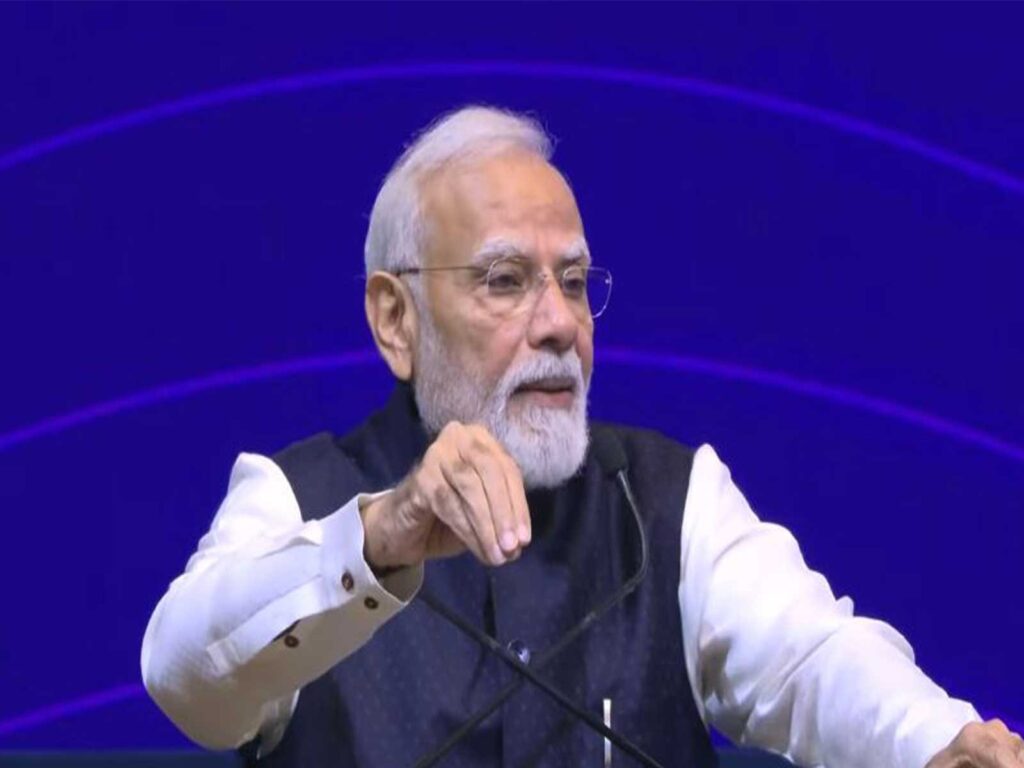
“Today if you are working on AI, the challenges are not only about what is inside the chip, but also about what is happening around it,” Modi said.
He pointed to the growing need to bring memory closer to processors and connect multiple chips so they can operate as a single system. According to Modi, rising AI demand has played a major role in the global semiconductor market growing by more than 20% over the past two years.
The Prime Minister said the changing global landscape has increased the need for new and dependable semiconductor manufacturing locations. India, he said, is working to build an ecosystem capable of meeting this demand.
India has also launched the second phase of its Semiconductor Mission with an allocation of $13.5 billion, following the first phase worth $8 billion. Twelve semiconductor projects have already been approved, with the new phase expected to bring more participants into the sector.
Modi invited manufacturers of semiconductor equipment, chemicals, gases and other materials to invest in India, stressing the need to develop domestic supply chains alongside chip manufacturing.
He also called on Indian researchers working overseas to return and contribute to advanced technology development in the country, while urging industry to take a stronger role in research and development.
Compound semiconductors and silicon photonics were identified by Modi as key areas for building AI infrastructure. He said recent policy reforms would allow international companies to work with Indian startups, design firms and OCI-owned companies, while encouraging the growth of fabless semiconductor businesses and the creation of domestic intellectual property.
Modi said India’s semiconductor sector had moved beyond policy announcements and project launches, with manufacturing now entering commercial production. Indian semiconductor plants are supplying customers in India and overseas, while production is also beginning at two additional facilities in Mohali and Surat.
The Prime Minister said India had worked simultaneously on chip design, manufacturing, equipment, materials and testing capabilities instead of developing these areas separately.
He said the growth of India’s semiconductor industry could strengthen global supply chains at a time when semiconductor supply networks are becoming increasingly important to the global economy.
