


India may have to export electricity to Nepal at a time when it normally imports hydropower from the Himalayan country. The possible change comes after severe flash floods damaged several hydropower projects in Nepal.
India usually imports electricity from Nepal during the summer, when hydropower generation is high. During the dry winter months, India exports power to Nepal as generation in Nepal falls.
Hydropower provides more than 90% of Nepal’s total electricity generation capacity of around 4,300 MW.
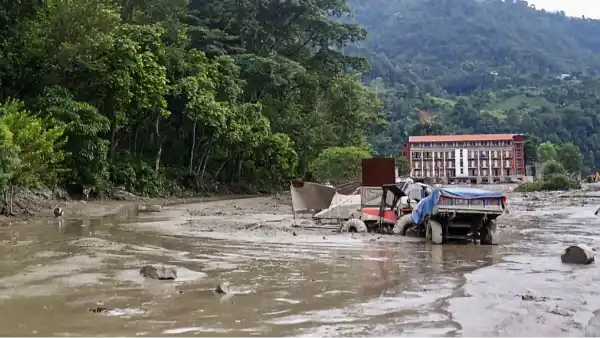
According to reports, the flash floods affected 13 hydropower plants and one solar plant, impacting nearly 360 MW of generation capacity. The affected projects include the 14 MW Devighat hydropower plant, which supplies electricity to India.
A senior Indian government official said India could consider Nepal’s request for electricity if it is formally made. India currently has domestic electricity demand of around 245-250 GW, while its system can meet peak demand of about 280 GW.
India and Nepal currently have the ability to transfer up to 1,000 MW of electricity through the Dhalkebar-Muzaffarpur 400 kV cross-border transmission line. The two countries have also agreed to increase their combined power transfer capacity to more than 1,400 MW.
Nepal Seeks Help From India and China
The floods have also severely damaged Nepal’s transport infrastructure. More than 30 bridges were reportedly washed away, cutting off several areas.
Nepal has asked India and China to help build 42 Bailey bridges to restore road connectivity in the affected regions.
Bailey bridges are prefabricated structures that can be quickly assembled and used to restore damaged transport links after disasters.
Nepal Foreign Minister Shisir Khanal said the country had not rejected international assistance after the floods. He said Nepal initially relied on its own security forces because the Nepal Army, Nepal Police and Armed Police Force were better prepared to operate in the country’s difficult terrain.
He added that Nepal remains open to foreign assistance, particularly when specialised expertise is needed for complex rescue operations.
Hundreds Killed in Nepal Floods
The flash floods caused widespread damage to homes, roads, bridges and power infrastructure in several parts of Nepal.
According to Nepal Police, at least 579 people have died and nearly 1,000 remain missing.
Nepal has also appealed to international organisations, donor agencies, NGOs and private companies for food, shelter materials, hygiene products and other essential supplies.
India has already sent two consignments of relief material to Nepal to support rescue, relief and rehabilitation efforts.
The disaster has disrupted Nepal’s power generation and transport networks, increasing the possibility that the country could need electricity support from India during a period when it normally exports hydropower to its neighbour.
